




Have you ever noticed how a simple necklace can carry so much meaning? A rosary necklace is one of those rare items that sits at the crossroads of faith, tradition, culture, and modern style. For some people, it’s deeply spiritual. For others, it’s symbolic or even fashionable. Much like a compass, it can guide belief, identity, or personal expression—depending on who wears it and why.
In this article, we’ll explore the rosary necklace from every angle: where it comes from, what it represents, how it’s worn, and why it continues to matter today. Whether you’re curious, faithful, or simply interested in its beauty, you’ll find something meaningful here.
What Is a Rosary Necklace?
A rosary necklace is a wearable version of the traditional rosary, designed to be worn around the neck. While it closely resembles the prayer beads used in Catholic devotion, its purpose can vary widely.
For many, it remains a sacred object tied to prayer and reflection. For others, it’s a symbol of identity, heritage, or even comfort. Think of it like a well-worn book—you might read it daily, or simply keep it close because it matters to you.
Historical Origins of the Rosary
The rosary has roots stretching back centuries. Its development is closely linked to Christian prayer practices, especially within Catholic tradition. Over time, beads were used as a practical way to count prayers, especially for those who couldn’t read.
As societies evolved, so did the form of the rosary. Eventually, wearable versions emerged, allowing believers to keep their faith physically close throughout the day. This transformation gave birth to what we now recognize as the rosary necklace.
Religious Significance and Symbolism
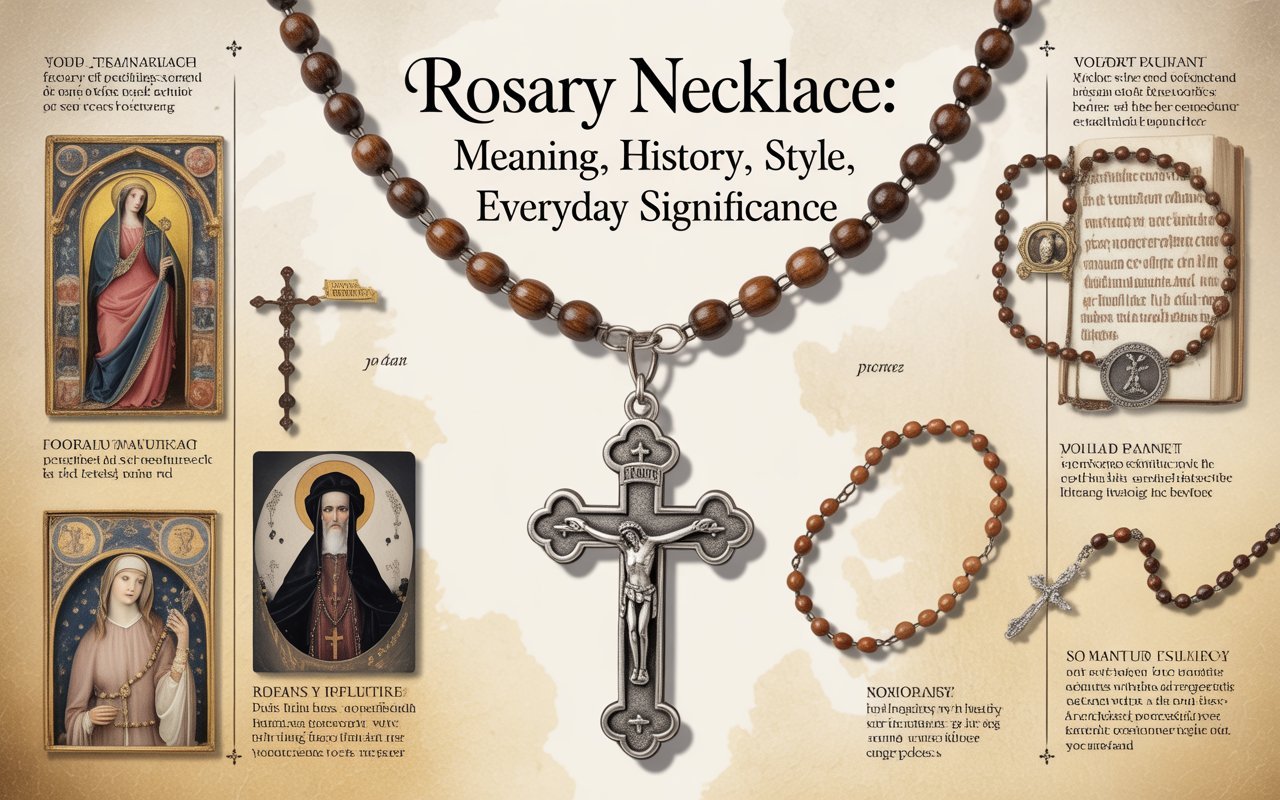
At its core, the rosary represents meditation and devotion. Each bead marks a prayer, and together they form a spiritual rhythm—almost like a heartbeat of faith.
Key symbolic elements include:
-
The cross or crucifix, representing sacrifice and hope
-
The beads, symbolizing repeated prayer and focus
-
The circular form, reflecting eternity and continuity
For believers, wearing it can feel like carrying a quiet reminder of faith, much like keeping a meaningful note in your pocket.
Structure and Components Explained
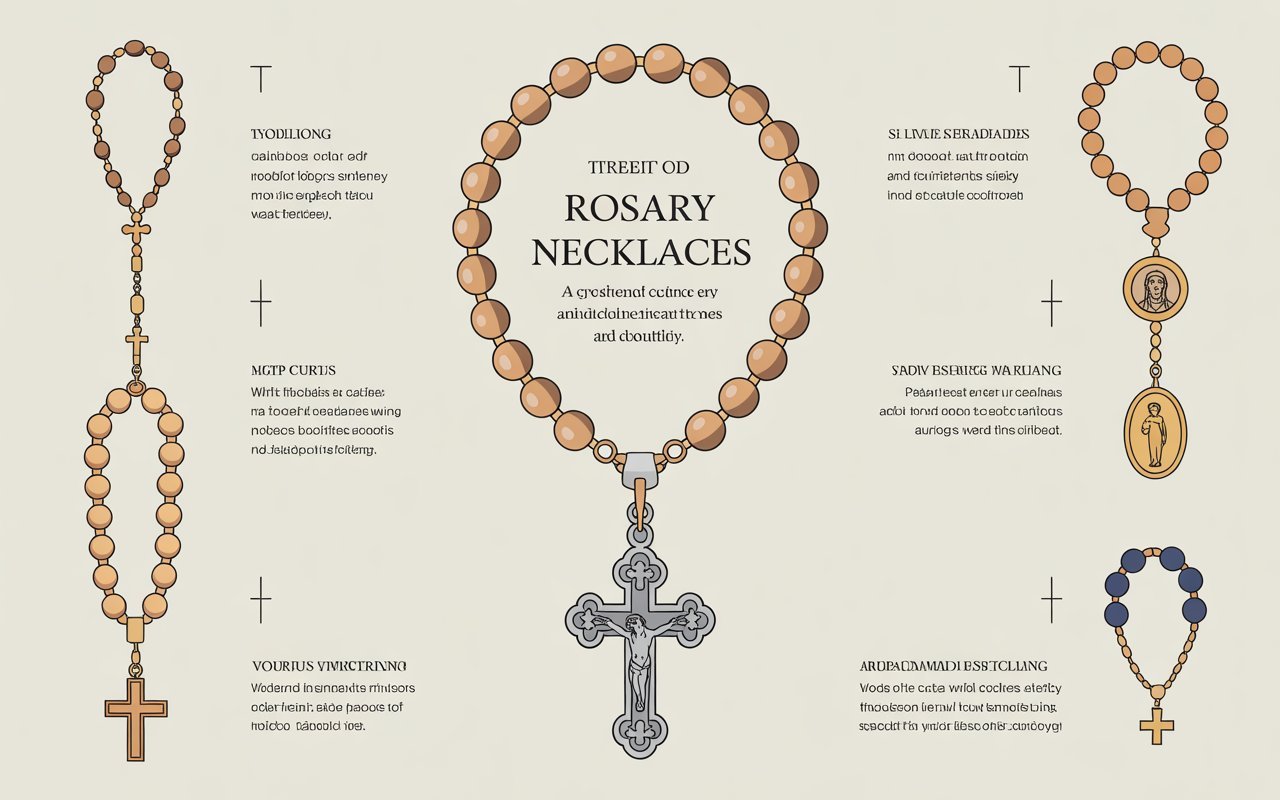
A rosary necklace usually mirrors the traditional structure, though sizes may differ.
Key components include:
-
Crucifix: The starting point of prayer
-
Center medal: Often depicts a religious figure
-
Beads: Arranged in groups for structured prayer
Each part has a purpose, both functional and symbolic. Even when worn casually, these elements remain visually and spiritually significant.
Rosary Necklace vs Traditional Rosary
While they look similar, there’s an important distinction.
A traditional rosary is primarily a prayer tool, typically kept in a pocket or pouch. A rosary necklace, on the other hand, is designed to be worn.
The difference is a bit like the contrast between a diary and a quote on your wall—both hold meaning, but one is private while the other is visible.
Cultural Influence Across the World
Beyond religion, the rosary necklace has woven itself into various cultures. In some communities, it represents heritage and protection. In others, it has been embraced as a symbol of resilience or remembrance.
Music, art, and film have also played a role in popularizing it, giving the rosary necklace layers of meaning that go far beyond its original purpose.
Modern Fashion and Style Trends
In recent years, the rosary necklace has appeared in streetwear, high fashion, and everyday outfits. Designers and artists often incorporate it as a bold statement piece.
For fashion wearers, it’s about contrast—a sacred symbol paired with modern clothing. Like wearing vintage denim with a tailored jacket, it blends old and new in a visually striking way.
Materials and Craftsmanship
Rosary necklaces come in a wide range of materials, each adding its own character.
Common materials include:
-
Wood, offering a natural, traditional feel
-
Metal, providing durability and shine
-
Glass or crystal, adding elegance and color
Handcrafted pieces often carry a deeper sense of care and intention, making them especially meaningful to the wearer.
How to Wear a Rosary Necklace Respectfully
Respect is key, especially when wearing a symbol rooted in faith. Many people choose to wear it under clothing or in a subtle way, keeping its meaning personal.
If worn openly, understanding its background and treating it thoughtfully goes a long way. It’s similar to flying a flag—you don’t have to belong to a nation to respect what it represents.
Spiritual vs Decorative Use
This is one of the most talked-about aspects of rosary necklaces. Some wear them purely for prayer, others for style, and many somewhere in between.
Neither approach is universal. What matters most is intention. When worn with awareness, even decorative use can coexist with respect and appreciation.
Choosing the Right Rosary Necklace
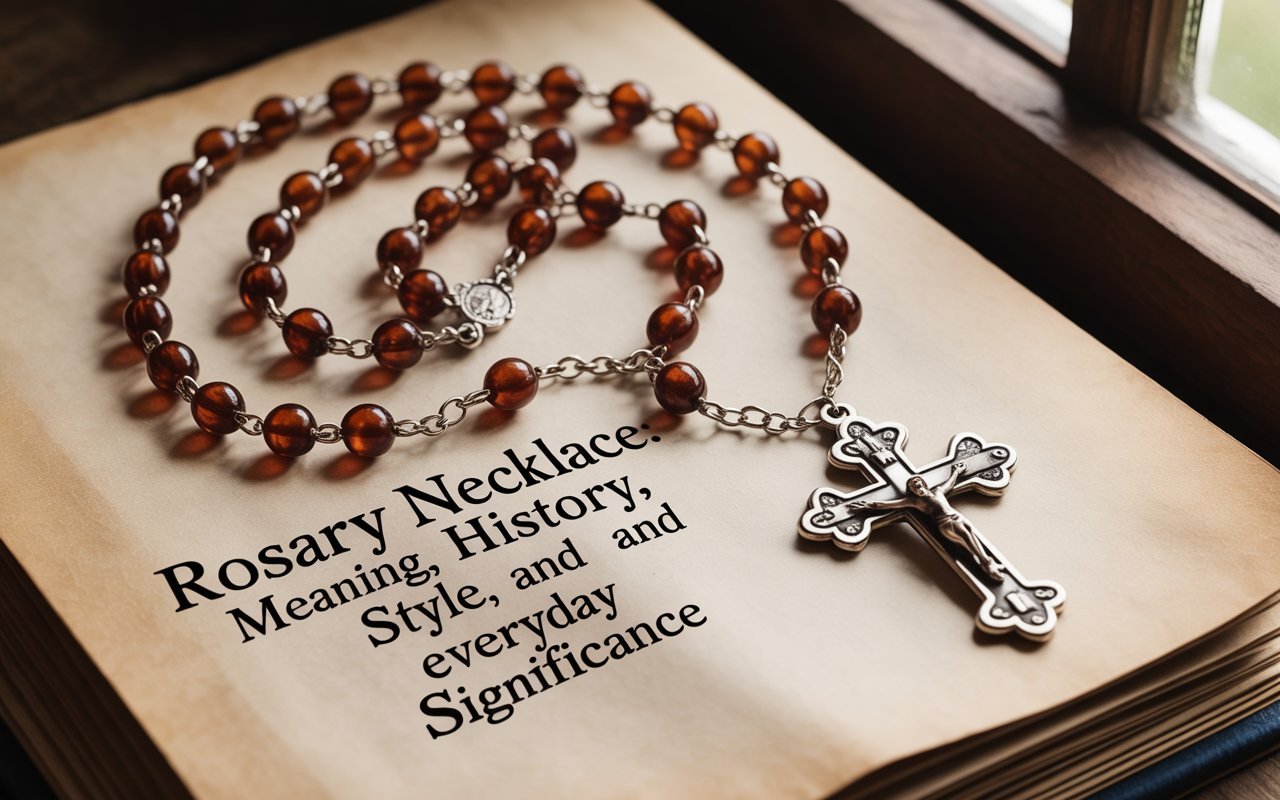
Selecting a rosary necklace is a personal decision.
Consider:
-
Purpose: Prayer, symbolism, or style
-
Material: Based on comfort and durability
-
Length: Shorter for subtle wear, longer for layering
The right choice often feels natural, almost like it chooses you rather than the other way around.
Care, Storage, and Longevity
To keep a rosary necklace in good condition, gentle care is essential.
Simple tips include:
-
Store it separately to avoid tangling
-
Clean it with a soft cloth
-
Remove it during intense physical activity
With proper care, it can last for years and even become a keepsake passed down through generations.
Frequently Asked Questions
1. Is wearing a rosary necklace considered disrespectful?
It depends on intention and understanding. Wearing it with awareness and respect is generally seen as acceptable.
2. Can non-religious people wear a rosary necklace?
Yes, many people wear it for cultural or symbolic reasons, as long as it’s treated thoughtfully.
3. Can a rosary necklace be used for prayer?
Yes, many designs maintain the traditional bead structure, making them suitable for prayer.
4. What materials are best for everyday wear?
Metal and sturdy wood options tend to be more durable for daily use.
5. Should a rosary necklace be worn outside clothing?
That’s a personal choice. Some prefer to keep it visible, while others wear it discreetly for personal significance.
Conclusion
The rosary necklace is more than just an accessory. It’s a bridge between belief and expression, tradition and modern life. Whether worn for faith, fashion, or personal meaning, it carries stories that go far deeper than its beads and chain. Like a quiet companion, it stays close—offering comfort, identity, or simply a sense of connection in a fast-moving world.

Other Articles

Berserk Tattoo: Meaning, Symbolism, and Why Fans Choose It Forever
What’s the ROI of iOS App Development for Miami Small Businesses?