




Have you ever noticed a soft blue shade painted on porch ceilings in older homes, especially in the American South? At first sight, it may appear to be nothing more than a simple decorative decision. But this gentle color holds a story that stretches back centuries, filled with folklore, culture, and tradition.
The color known as haint blue is more than just a pretty shade. It’s tied to beliefs about protection, peace, and connection to nature. For many families, painting a porch ceiling this color wasn’t only about beauty—it was about keeping unwanted spirits away.
Today, the color has become a popular design trend in modern homes. Designers love it for its calm, airy feel. Homeowners enjoy how it makes spaces look brighter and more welcoming. But the real magic of this color lies in the stories behind it.
Let’s explore where this fascinating shade came from, what it represents, and why it still captures people’s imagination today.
What Is Haint Blue?
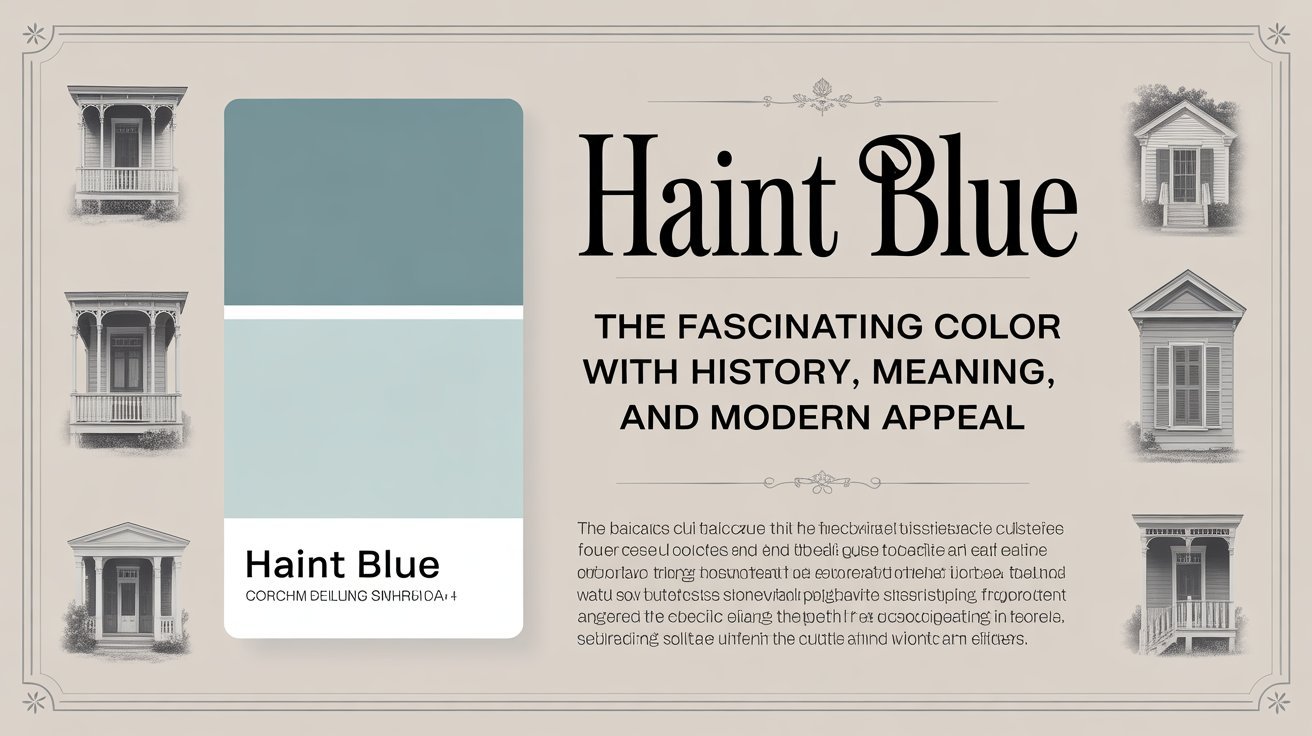
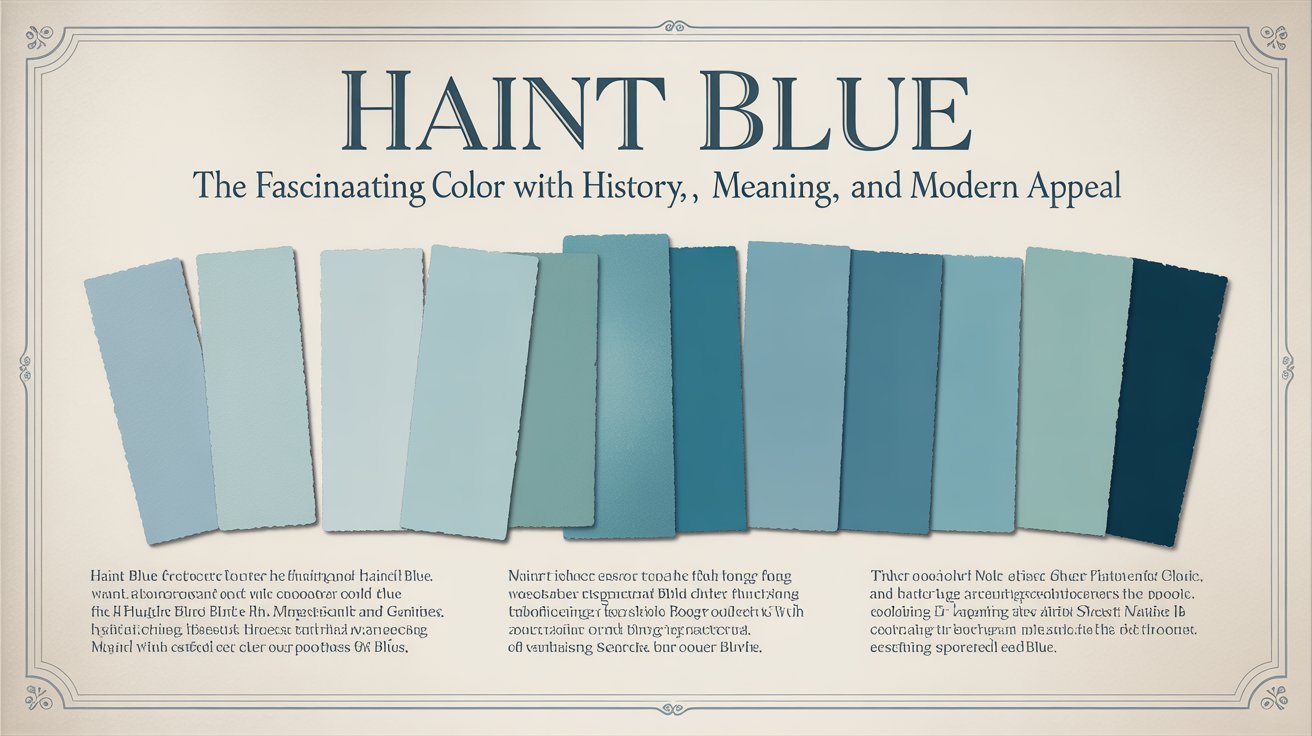
Haint blue is a soft, pale shade of blue-green traditionally used on porch ceilings, shutters, and window frames.
The color usually resembles:
-
Sky blue
-
Soft turquoise
-
Light aqua
-
Blue-green pastels
This shade is gentle and calming, similar to the color of a clear summer sky. When used on porch ceilings, it creates the feeling that the sky continues overhead.
Think of it like opening a window to a peaceful morning. The color reflects light and creates a relaxed atmosphere that makes people feel comfortable and at home.
The Origin of the Name
The word “haint” comes from a Southern dialect of the word “haunt.” It refers to ghosts or wandering spirits.
According to old traditions, these spirits would avoid anything that looked like water or sky. Since many spirits were believed to be unable to cross water, painting surfaces with this sky-like shade helped keep them away.
The name itself carries the essence of the belief:
-
Haint – spirit or ghost
-
Blue – the color used for protection
So the term haint blue essentially means a protective blue color meant to keep spirits away.
Cultural Roots in the Gullah Geechee Community
The tradition of painting with this special blue shade has deep cultural roots.
The tradition began among the Gullah Geechee communities living along the southeastern coastline of the United States, where cultural beliefs and heritage shaped the practice. These communities formed from descendants of enslaved Africans who maintained strong cultural traditions and folklore.
For them, this color was more than decoration. It was tied to:
-
Spiritual protection
-
Cultural identity
-
Traditional beliefs
Homes often featured the shade on:
-
Porch ceilings
-
Doors
-
Window frames
The practice became an important part of regional architecture and heritage.
The Folklore Behind the Color
Folklore plays a huge role in the story of haint blue.
According to traditional beliefs, spirits were easily confused. When they saw surfaces painted in sky-like blue tones, they believed it was water or the open sky. As a result, they would avoid entering the home.
In a way, the color worked like a symbolic shield.
Imagine a harmless illusion—like placing a mirror in a garden to scare away birds. The birds think the reflection is another bird and fly away. Similarly, spirits were believed to stay away from the blue-painted surfaces.
Whether or not someone believed in ghosts, painting with this shade offered comfort and peace of mind.
Why Porches Were Painted Blue
Porches were central to Southern homes. Families gathered there to talk, relax, and escape the heat of the day.
Painting the porch ceiling blue served several purposes.
Protection
The traditional belief suggested the color protected homes from wandering spirits.
Aesthetic beauty
The color brightened porches and made them look larger and more open.
Light reflection
Soft blue shades reflect light beautifully, creating a cooler atmosphere.
Some people also believed the color helped deter insects. The theory suggested insects mistook the blue ceiling for the sky and stayed away.
While science doesn’t strongly support that claim, many homeowners still swear by it.
Traditional Uses in Architecture
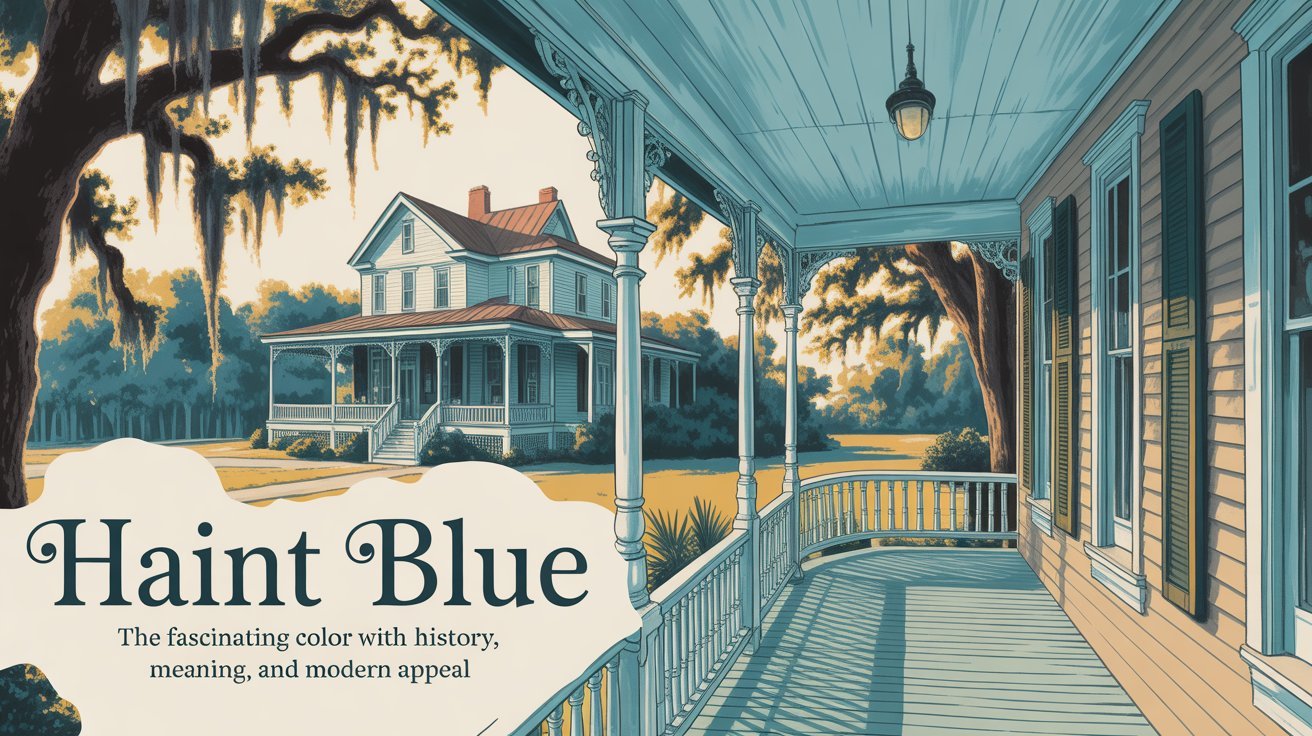
Haint blue became a recognizable feature of historic Southern architecture.
You’ll often find it in homes built in:
-
Coastal regions
-
Plantation-style houses
-
Colonial homes
-
Victorian-era homes
Common locations where it was used include:
Porch ceilings
This is the most iconic use.
Shutters
Blue shutters created a peaceful, balanced look.
Doors and trim
Adding the color to entryways enhanced the welcoming feel of the home.
The color blended beautifully with white siding and natural wood, giving homes a timeless appearance.
The Psychology of Soft Blue Colors
Colors influence emotions more than we often realize.
Soft blues, including haint blue, are known for their calming effects.
They are often associated with:
-
Peace
-
Clarity
-
Trust
-
Relaxation
Think about standing by the ocean on a quiet morning. The water stretches endlessly, and the sky feels wide and open. That same sense of calm is what soft blue tones bring to a space.
That’s one reason the color remains popular today. It creates a gentle environment where people feel relaxed and comfortable.
Modern Design Trends
In recent years, haint blue has made a strong comeback in interior and exterior design.
Homeowners and designers love it for its subtle charm.
Today, the color appears in many modern spaces such as:
-
Front porches
-
Patio ceilings
-
Outdoor living areas
-
Interior accent walls
Designers frequently combine this shade with neutral tones such as:
-
White
-
Beige
-
Natural wood
-
Gray
This combination creates a fresh, airy look that feels both modern and timeless.
Popular Paint Shades Similar to Haint Blue
Many paint brands offer shades inspired by traditional haint blue.
These colors often have similar qualities:
-
Soft blue tones
-
Slight green undertones
-
Light reflective qualities
Homeowners searching for this color may find variations labeled as:
-
Porch blue
-
Sky blue
-
Aqua mist
-
Sea breeze
Each variation captures the same calm feeling while fitting different design styles.
How to Use Haint Blue in Your Home
Adding this historic color to your home is surprisingly easy.
Here are a few common ways people incorporate this color into their homes today.
Porch ceilings
This remains the most traditional and popular choice.
Outdoor patios
Painting the patio ceiling with this shade can make the space feel cooler and more open.
Front doors
A soft blue door creates a welcoming entrance.
Accent walls
Inside the home, a light blue accent wall can bring brightness and serenity.
The key is balance. Because the color is soft, it works best when paired with neutral tones.
Maintenance and Painting Tips
Painting with haint blue is simple, but a few tips can help achieve the best results.
Choose weather-resistant paint
Exterior spaces require durable paint that can withstand sun and rain.
Use satin or semi-gloss finish
These finishes reflect light and enhance the color’s soft glow.
Prep surfaces properly
Clean surfaces and apply primer for better color coverage.
Test before painting
Different lighting conditions can slightly change how the color appears.
Taking these steps ensures the shade looks beautiful for years.
Why This Historic Color Still Matters Today
The story of haint blue is about more than paint. It reflects history, culture, and the ways traditions travel across generations.
Even today, when people paint their porch ceilings this color, they connect with something older than modern design trends.
It represents:
-
Cultural heritage
-
Architectural tradition
-
Comfort and peace
Like a quiet echo from the past, the color reminds us that homes aren’t just buildings. They carry stories, memories, and beliefs.
FAQs
1. What exactly is haint blue?
Haint blue is a soft blue-green shade traditionally used on porch ceilings in Southern homes. It originated from cultural beliefs that the color could protect homes from spirits.
2. Why were porch ceilings painted this color?
People believed the sky-like shade would confuse spirits and prevent them from entering homes. It also made porches feel brighter and more open.
3. Does haint blue really keep bugs away?
Some people believe insects mistake the color for the sky and avoid it. However, scientific evidence supporting this idea is limited.
4. Is haint blue still used today?
Yes. Many homeowners and designers use the color for porch ceilings, patios, and accent walls because of its calming and timeless appearance.
5. Can haint blue be used indoors?
Absolutely. The soft blue shade works well as an accent wall, in bathrooms, bedrooms, or any space where a relaxing atmosphere is desired.
Conclusion
Haint blue is one of those rare design elements that blends beauty with history. What started as a protective tradition rooted in folklore has grown into a beloved architectural feature.
From Southern porches to modern homes, the color continues to charm homeowners with its soft, calming presence. It brightens spaces, creates a welcoming atmosphere, and connects people to a rich cultural story.
In many ways, haint blue is like a gentle whisper from the past—quiet, comforting, and timeless.
Whether you use it for tradition, style, or simple curiosity, this unique shade remains a beautiful reminder that sometimes even a small splash of color can carry centuries of meaning.


