





If you’re someone who loves Italian food, you’ve probably heard of Bolognese sauce—a rich, hearty tomato-based meat sauce that pairs perfectly with pasta. But have you ever come across white Bolognese? It’s a twist on the traditional recipe that might just surprise your taste buds. In this article, we’ll dive deep into what white Bolognese is, how it differs from the classic version, its origins, and even how to make it at home. Ready to uncover a delicious secret? Let’s get started!
What Is White Bolognese?
White Bolognese, sometimes called “bianca Bolognese,” is a variation of the famous meat sauce from Bologna, Italy. Unlike the classic red sauce that relies heavily on tomatoes, white Bolognese uses no or very little tomato. Instead, it focuses on a creamy, savory blend of meats, broth, and dairy ingredients like cream or milk.
Think of it as the lighter cousin to traditional Bolognese—still rich and comforting but with a completely different flavor profile. It’s often made with veal, pork, or chicken, cooked slowly with onions, garlic, white wine, and sometimes mushrooms or herbs.
How Does White Bolognese Differ from Traditional Bolognese?
At its core, the biggest difference lies in the sauce’s base. While classic Bolognese is tomato-forward, white Bolognese skips the tomatoes, letting the meat and aromatics shine.
-
Tomatoes vs. No Tomatoes: Traditional Bolognese uses crushed or pureed tomatoes to add acidity and sweetness. White Bolognese relies on broth, cream, or milk to create a smooth texture.
-
Flavor Profile: The white version is milder, creamier, and sometimes slightly tangy from white wine or dairy.
-
The sauce naturally takes on a soft, creamy hue, offering a gentle contrast to the deep, vibrant red of traditional Bolognese.
-
Meat Selection: Unlike the traditional recipe’s reliance on ground beef, white Bolognese typically features a blend of veal or pork, creating a milder, more delicate flavor profile.
Imagine two paintings—one bursting with vibrant reds and bold strokes, the other subtle and soft with pastel tones. Both are beautiful, but they evoke very different feelings. That’s the essence of red vs. white Bolognese.
The Origins of White Bolognese
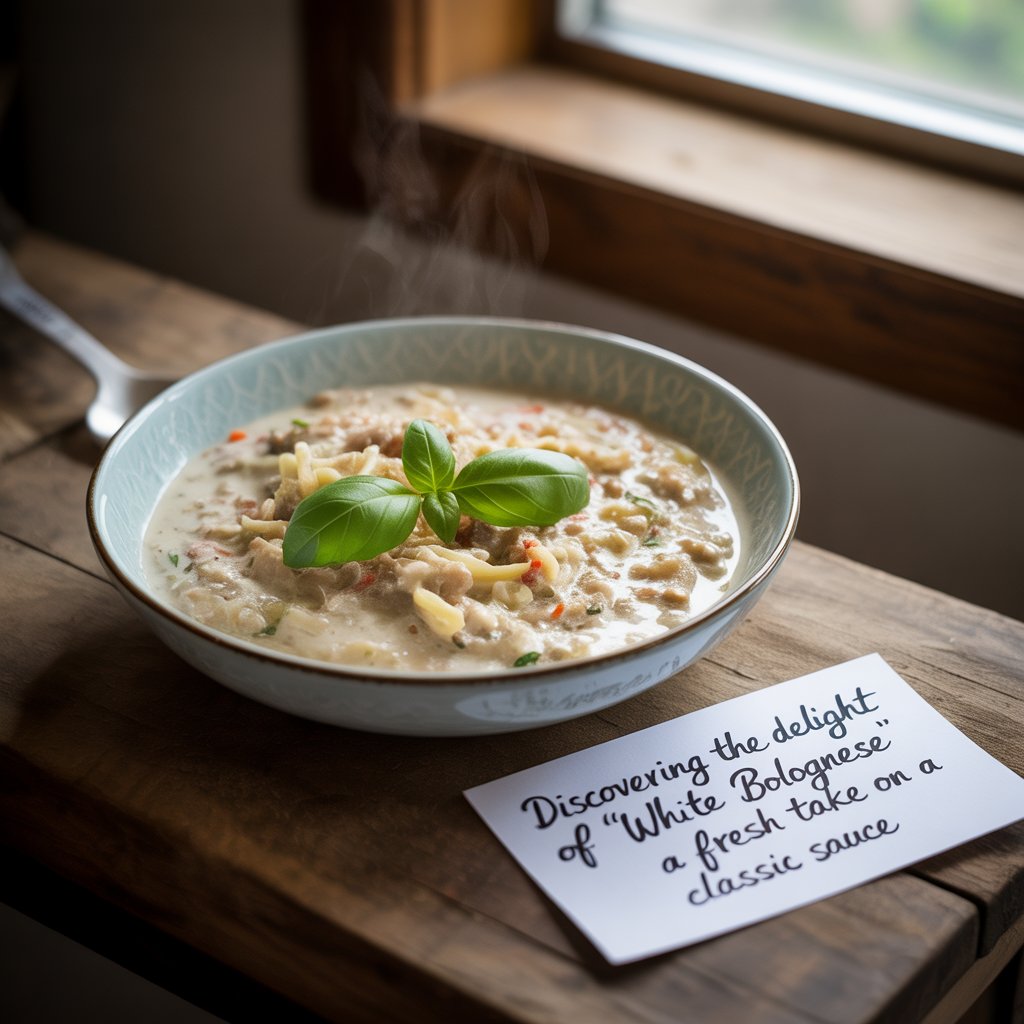
White Bolognese is less talked about than its red counterpart but has roots in the Emilia-Romagna region of Italy. Historically, the classic Bolognese evolved over centuries, and various families and chefs put their spin on it. The white version was likely born from a desire to create a lighter sauce that still showcased the richness of local meats without relying on tomatoes.
Some food historians believe white Bolognese might have been more common in older times when fresh tomatoes weren’t as widely available or affordable. Others see it as a modern adaptation catering to different tastes and dietary needs.
Key Ingredients of White Bolognese
To make authentic white Bolognese, certain ingredients are essential:
1. Meat
Veal, pork, or chicken are often the stars here. These meats have a delicate flavor that pairs well with the creamy sauce.
2. Aromatics
Onions, garlic, and sometimes shallots form the base, sautéed gently to release sweetness.
3. Liquid Base
White wine, broth (chicken or vegetable), and dairy products like cream or milk help build the sauce’s texture.
4. Seasonings and Herbs
Bay leaves, thyme, sage, and black pepper add subtle layers of flavor without overpowering the dish.
5. Fat
Butter or olive oil is used for sautéing, enhancing the sauce’s silky mouthfeel.
How to Make White Bolognese at Home
Here’s a simple way to try making this elegant sauce yourself:
-
Sauté aromatics: Begin by melting butter in a pan, then add finely chopped onions and garlic. Cook slowly until soft.
-
Brown the meat: Add ground veal or pork and cook until browned but not crispy.
-
Deglaze with white wine: Pour in white wine and let it reduce, which intensifies the flavor.
-
Add broth and simmer: Pour in warm broth and simmer gently to meld the flavors.
-
Finish with cream or milk: Stir in cream or milk to create a luscious texture.
-
Finish by seasoning with fresh herbs, a pinch of salt, and freshly ground pepper to elevate the flavors before serving.
Serve over pasta like tagliatelle or pappardelle.
What Pasta Works Best with White Bolognese?
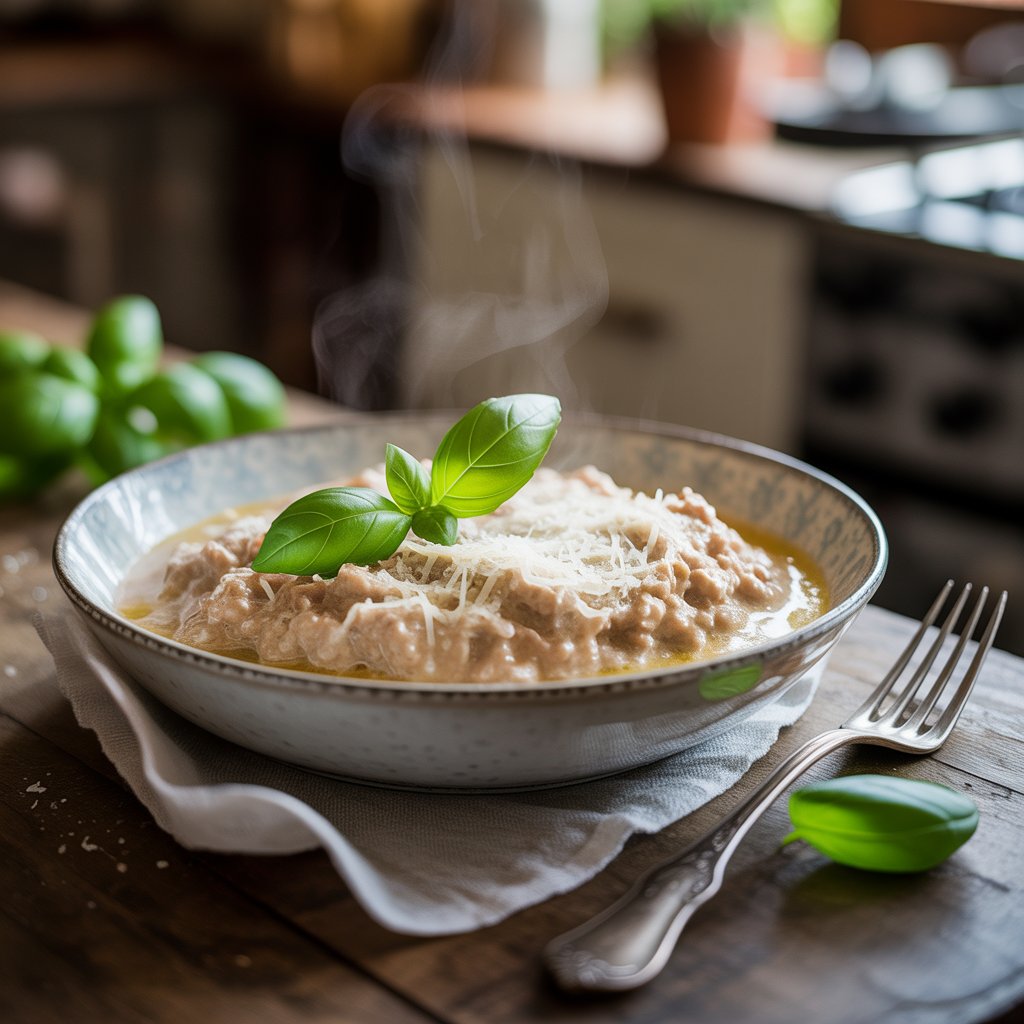
Choosing the right pasta can elevate the dish. Since white Bolognese is creamy and delicate, it pairs beautifully with flat, wide noodles that can hold the sauce well.
-
Tagliatelle: Traditional choice for Bolognese sauces.
-
Pappardelle: Wide ribbons soak up the creamy sauce nicely.
-
Fettuccine: A slightly thicker pasta that complements the richness.
-
For those feeling adventurous, crafting fresh homemade pasta can truly elevate the dish to new heights.
Avoid small shapes like elbows or shells that might get lost in the sauce.
Healthier or Indulgent? The Nutrition Aspect
White Bolognese can be both indulgent and nutritious depending on how you make it. Using lean meats and moderate amounts of cream keeps it balanced. The absence of tomatoes means less acidity and some loss of antioxidants, but the sauce compensates with protein and healthy fats.
For a lighter option, you can:
-
Use low-fat milk instead of cream.
-
Add mushrooms or vegetables for extra nutrients.
-
Serve with whole-grain pasta for fiber.
Serving Suggestions and Pairings
White Bolognese shines with simple side dishes and complementary flavors.
-
Cheese: A sprinkle of Parmesan or Pecorino Romano on top adds a salty kick.
-
Vegetables: Lightly steamed greens like spinach or asparagus make a fresh side.
-
Wine pairing: Crisp white wines such as Pinot Grigio or Sauvignon Blanc work well.
-
Bread: Crusty Italian bread is perfect for soaking up any leftover sauce.
White Bolognese in Modern Cuisine

Today, chefs and home cooks alike are embracing white Bolognese as a fresh alternative to the classic. It fits well into menus that favor lighter, dairy-based sauces or those catering to different regional tastes. You might find it in contemporary Italian restaurants or featured in food blogs focusing on comfort food with a twist.
Common Mistakes to Avoid When Making White Bolognese
Like any recipe, there are pitfalls to watch for:
-
Overcooking the meat: This can make it dry or tough.
-
Skipping the simmer: The sauce needs time to meld flavors.
-
Adding too much cream can easily drown out the sauce’s gentle and refined flavors.
-
Neglecting seasoning: Proper salt and herbs make all the difference.
Be patient, sample frequently, and tweak the seasoning to perfect the flavor!
Why You Should Try White Bolognese Today
If you’ve always been a fan of traditional Bolognese, trying the white version can feel like discovering a new favorite chapter in an old book. It’s comforting yet fresh, rich but subtle. Plus, it’s a great way to impress dinner guests or enjoy a cozy meal that’s a little different from the usual pasta routine.
FAQs About White Bolognese
1. Can I use ground beef to make white Bolognese?
Yes, ground beef can be used, but veal or pork are traditional choices for a milder flavor.
2. Is white Bolognese gluten-free?
The sauce itself is gluten-free, but be careful with pasta—choose gluten-free pasta if needed.
3. Can I freeze white Bolognese sauce?
Absolutely! Seal it tightly in an airtight container and freeze for up to three months to preserve freshness.
4. What’s the best way to reheat white Bolognese?
Gently reheat on the stove over low heat, adding a splash of broth or milk to restore creaminess.
5. Does white Bolognese taste similar to Alfredo sauce?
Not quite. While both are creamy, white Bolognese has meat and broth flavors, making it heartier than Alfredo.
Conclusion
White Bolognese is a delightful and lesser-known cousin of the classic Italian meat sauce. By focusing on a creamy, tomato-free base, it offers a new way to enjoy the richness of slow-cooked meat and aromatic flavors. Whether you’re an adventurous foodie or someone looking for a comforting dish that’s a little lighter, white Bolognese is worth a spot in your recipe collection. Why not give it a try and see how this gentle sauce can bring a fresh twist to your pasta nights?

Other Articles

The Wild World of Animal Teeth: Nature’s Hidden Marvels
Magnetic Gel Polish: The Magic of Magnetized Manicures


https://shorturl.fm/mlULz