



Table of Contents
- Introduction
- Dental Implants
- Implant-Supported Bridges
- All-on-4
- Root Analogue Implants
- Emerging Technologies in Tooth Replacement
- Choosing the Right Option
- Wrap-Up
Tooth loss is a reality that affects millions of individuals, often leading to challenges with self-confidence, comfort, and everyday activities such as eating and speaking. Whether you’ve experienced tooth loss from injury, decay, or gum disease, the good news is that today’s dentistry offers remarkably effective solutions designed to restore both function and aesthetics. Advanced treatments such as dental implants Rockville, MD provide durable, life-like results that can improve both oral health and quality of life.
Recent advancements in dental technology provide patients with improved tooth replacement options that fit better, look more natural, and offer increased longevity. With solutions ranging from single-tooth implants to full-arch restorations, addressing tooth loss is crucial for both cosmetic and health reasons, as it impacts nutrition, speech, and bite alignment. Modern methods are typically less invasive with shorter recovery times, allowing patients to make informed decisions tailored to their needs.
Dental Implants
Dental implants are widely recognized as the most reliable and long-lasting solution for replacing one or more missing teeth. Comprised of a small titanium post that is surgically positioned in the jawbone, dental implants provide unmatched stability and a natural look and feel. After implantation, the post fuses with the surrounding bone through a biological process called osseointegration, which helps prevent jawbone loss and maintains facial structure. The visible portion of the implant is completed with a crown designed to match your other teeth in color, shape, and size.
According to the Mayo Clinic, dental implants have a long-term success rate of about 95%. They are often recommended for their durability, role in preserving bone health, and ability to function just like natural teeth over many years when properly cared for.
Implant-Supported Bridges
For patients missing several consecutive teeth, implant-supported bridges provide an excellent alternative to placing an implant for every missing tooth. Unlike traditional bridges, which require grinding down healthy adjacent teeth for support, implant-supported bridges utilize two or more dental implants to anchor a custom prosthetic securely in place. This preserves more of your natural tooth structure, improving both chewing ability and overall comfort.
Patients can expect improved oral hygiene, as implant-supported bridges allow for better cleaning access compared to older bridge designs. Dental professionals often recommend these bridges for those in good general health with sufficient jawbone to support multiple implants.
All-on-4
The All-on-4 system is a revolutionary approach for people who are missing all or most of their teeth in one or both jaws. This method uses just four strategically placed implants to support a complete set of upper or lower prosthetic teeth. The key advantage is that the technique typically utilizes areas with denser bone, minimizing the need for bone grafts and often allowing for placement of new teeth within a single day.
An advanced variation, the All-on-bar method, additionally secures a titanium bar to the implants, which can help enhance stability and longevity for those with more complex dental needs. These methods have gained popularity because they provide rapid, stable, and aesthetically pleasing results, giving patients a renewed sense of confidence in their smiles.
Root Analogue Implants
Root analogue implants (RAIs) represent an innovative custom approach in implantology. Made to precisely mimic the shape of a recently extracted natural tooth root, RAIs are typically designed using digital 3D imaging and produced from high-strength zirconia. Placement can sometimes occur immediately following tooth removal, reducing the number of surgical steps a patient must undergo.
These implants not only fit perfectly in the extracted socket but also closely replicate the natural biomechanical forces experienced during chewing, which aids in bone preservation and reduces healing time. Because zirconia is highly biocompatible and tooth-colored, RAIs offer a more aesthetically pleasing result, especially in visible areas of the mouth.
Emerging Technologies in Tooth Replacement
The horizon of tooth replacement technologies is rapidly expanding, promising even more impressive options in the coming years:
- 3D Printing:The advent of 3D printing enables the fabrication of highly customized dental implants and prosthetics that are tailored to the unique anatomy of each patient. This results in a better fit, more comfort, and faster treatment times.
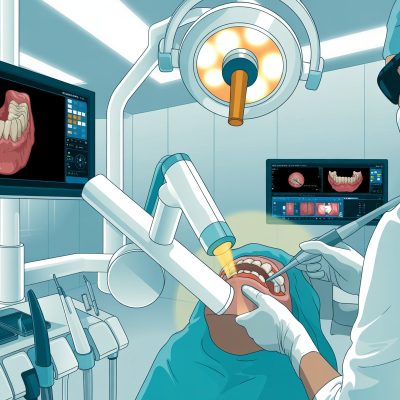
- Artificial Intelligence (AI):AI is transforming dentistry by analyzing dental scans to recommend optimal implant placement. This minimizes human error, enhances accuracy, and boosts treatment outcomes. AI-driven systems are expected to become an integral part of personalized dental care.
- Tooth Regeneration:Researchers are exploring methods to utilize stem cells and tissue engineering to regrow lost teeth. While still in experimental stages, successful breakthroughs would fundamentally change the future landscape of tooth replacement.
Choosing the Right Option
Identifying the ideal tooth replacement method is influenced by a variety of factors, including the number and location of missing teeth, bone density and health, budget, and aesthetic goals. Consulting with an experienced dental professional is crucial for a personalized assessment and effective treatment planning. They can use advanced imaging and diagnostic tools to help determine the best solution tailored to your individual case.
The array of modern tooth replacement options means there is a highly effective solution for virtually everyone experiencing tooth loss. Staying informed about the latest developments empowers you to invest in lasting function, optimal health, and renewed confidence in your smile.
Wrap-Up
Modern tooth replacement solutions provide more than just aesthetic improvements—they restore essential functions such as chewing, speaking, and maintaining jaw health. From dental implants and implant-supported bridges to innovative approaches like All-on-4 and root analogue implants, today’s options are designed for durability, comfort, and a natural appearance. Emerging technologies such as 3D printing, AI-assisted planning, and tooth regeneration promise even more personalized and effective treatments in the near future. By staying informed and consulting with an experienced dental professional, patients can choose the approach that best fits their needs, ensuring long-lasting oral health, renewed confidence, and an improved quality of life.

Other Articles

How Data-Driven Insights Transform Asset Management
Future-Proofing Your Business IT Infrastructure