





Introduction
Who doesn’t crave a warm, creamy bowl of mac and cheese every now and then? It’s one of those timeless comfort foods that feels like a hug in a bowl. But let’s be honest—traditional versions aren’t always the best choice when you’re trying to eat a little lighter. So what if you could enjoy the same cozy goodness without the heaviness? That’s exactly where a healthier twist on mac and cheese steps in to save the day. Think of it as your favorite classic slipping into a healthier outfit—same charm, better for your body.
In this guide, we’ll break down everything from lighter ingredients to cooking techniques, helpful tips, and smart swaps that make mac and cheese more nutritious without losing flavor. Ready to dig in?
What Makes Mac and Cheese “Healthy”?
Understanding the Basics
A healthier version doesn’t mean stripping away flavor. Instead, it’s about balancing ingredients to make the dish lighter, more nutritious, and easier to digest.
Key Factors
-
More nutrients, fewer empty calories
-
Cleaner ingredients with less processing
-
Balanced fats and carbs
-
Higher fiber and protein
It’s like upgrading a classic car—not changing the essence, just making it run better.
The Benefits of a Lighter Mac and Cheese
Better Digestion
Wholesome ingredients, such as whole grains and vegetables, help the body digest the meal more smoothly.
Sustained Energy
More fiber and protein prevent energy crashes, keeping hunger satisfied longer.
Lower Calories Without Sacrificing Comfort
Healthy alternatives cut calories while keeping the dish creamy and cozy.
Choosing the Right Pasta
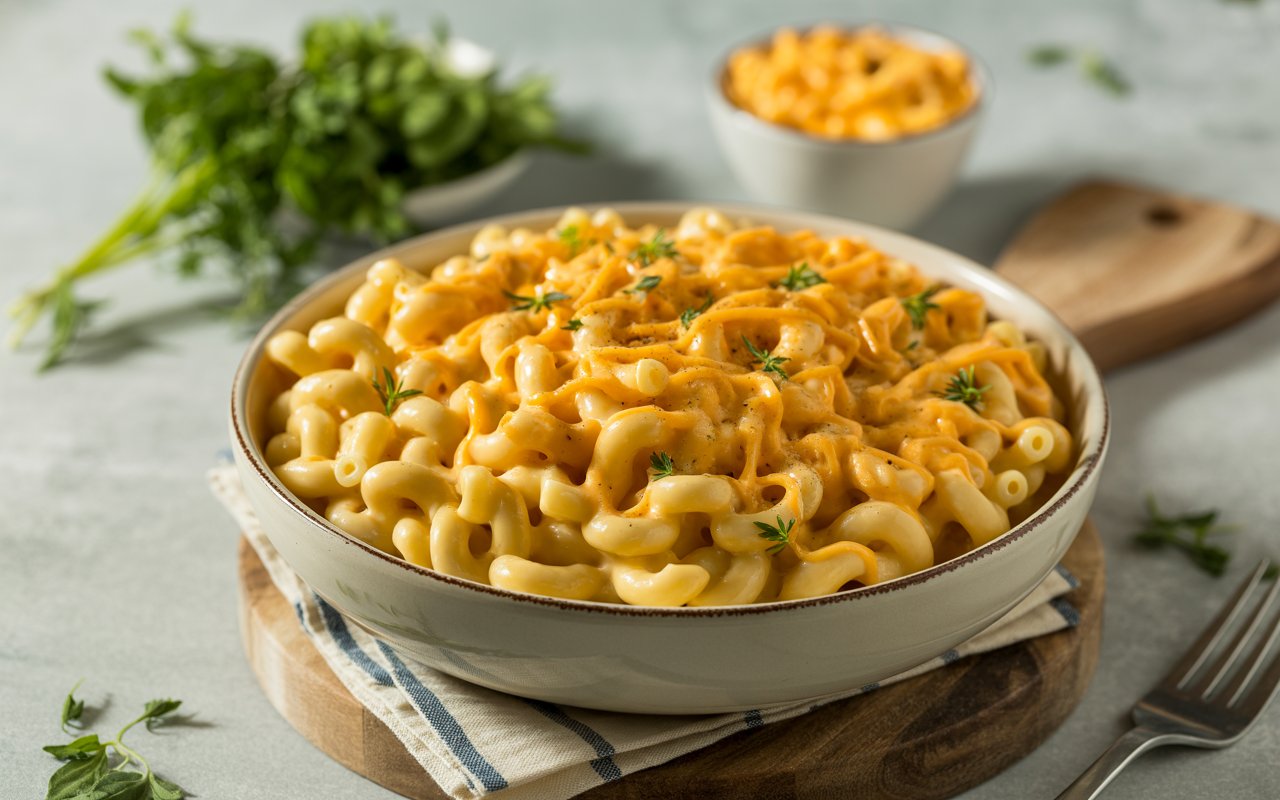
Whole-Wheat Pasta
A great way to add fiber, minerals, and a nutty flavor.
Chickpea or Lentil Pasta
These options boost protein and reduce simple carbs.
Gluten-Free Pasta
Rice- or quinoa-based versions work well for those with sensitivities.
Pro Tip:
Choose shapes like elbows, shells, or cavatappi to trap the sauce beautifully.
Smart Cheese Choices
Using Stronger Cheeses
Aged cheddar, parmesan, or gouda pack bold flavor, letting you use less cheese overall.
Choose Reduced-Fat Options
These keep the creaminess while cutting back on saturated fats.
Mixing Cheeses Wisely
Combining melt-friendly cheese (like mozzarella) with strong-flavored cheese creates balance.
Healthier Sauce Bases
Greek Yogurt
Adds creaminess and extra protein without heavy cream.
Cauliflower Purée
Smooth and naturally creamy—nature’s thickener.
Butternut Squash
Sweet, velvety, and packed with vitamins A and C.
Plant-Based Milk
Almond, oat, or soy milk offer a lighter base with mild flavor.
Whole Milk (Optional)
If you prefer dairy, whole milk still offers richness without needing cream.
Adding Vegetables for Nutrition
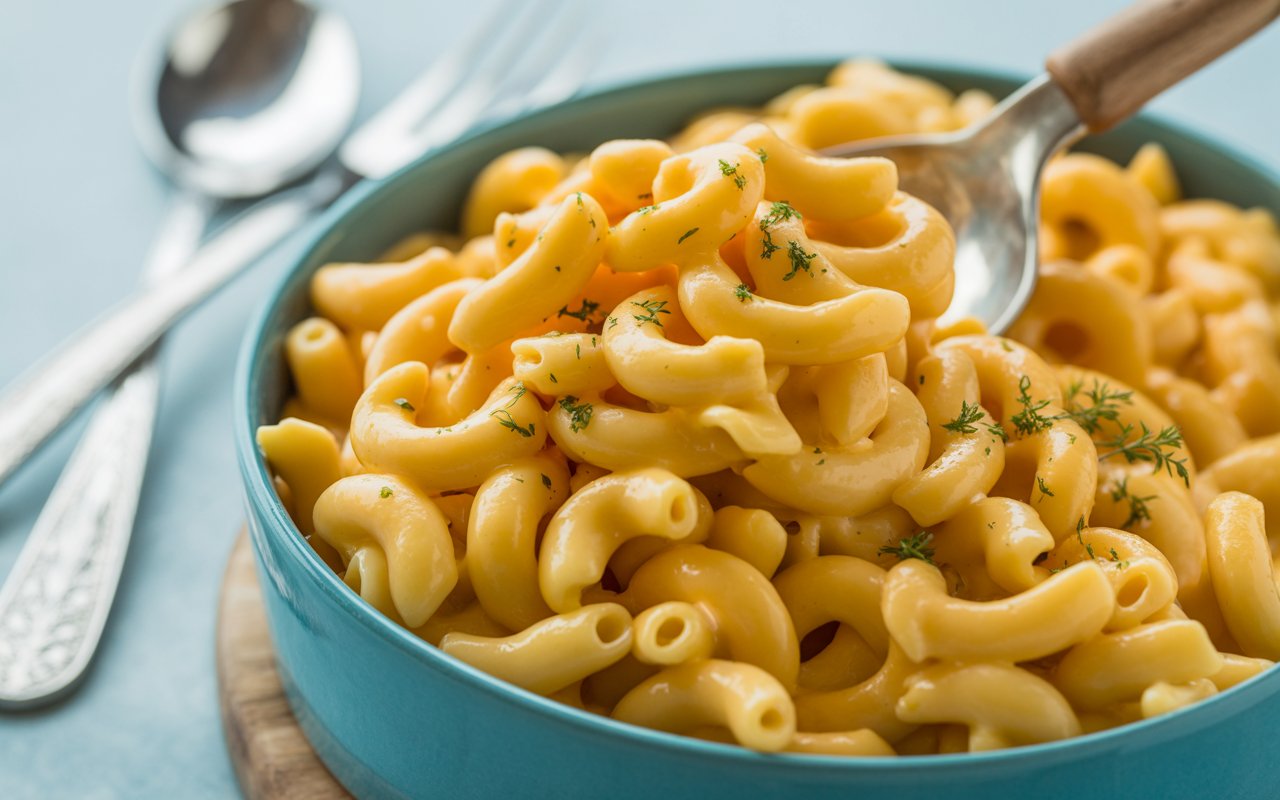
Vegetables boost color, nutrients, and texture.
Best Veggies to Include
-
Broccoli
-
Spinach
-
Cauliflower
-
Green peas
-
Zucchini
-
Carrots
-
Tomatoes
Why Add Vegetables?
They introduce fiber, antioxidants, and vitamins—turning a comfort meal into a balanced one.
Protein Options to Boost Nourishment
Healthy mac and cheese can easily become a complete meal with added protein.
Great Protein Additions
-
Grilled chicken
-
Ground turkey
-
Black beans
-
Chickpeas
-
Tofu
-
Cottage cheese (blended into sauce)
Adding protein turns your mac and cheese into a satisfying and filling dish without heaviness.
Low-Sodium and Low-Fat Tips
Season Smartly
Use herbs, spices, and garlic to reduce reliance on salt.
Use Broth Instead of Butter
Vegetable or chicken broth adds flavor without extra fat.
Limit Processed Cheese
These are often salt-heavy. Opt for natural varieties instead.
Healthy Cooking Methods
Bake Instead of Fry
Baking gives a crispy top with minimal added fats.
Steam Veggies Instead of Boiling
Steaming keeps nutrients intact.
Use Nonstick Cookware
Reduces the need for excess oil.
Make a Roux with Olive Oil
Swapping traditional butter for olive oil offers healthier fats.
Flavor-Boosting Ingredients
When you rely less on heavy cheese, flavor becomes even more important.
Delicious Add-Ins
-
Garlic powder
-
Smoked paprika
-
Mustard powder
-
Black pepper
-
Parsley
-
Cayenne
-
Nutritional yeast (great cheesy flavor!)
These ingredients brighten the dish and deepen complexity.
Best Toppings for Healthy Mac and Cheese
Whole-Wheat Breadcrumbs
Adds crunch and fiber.
Crushed Nuts
Walnuts or almonds offer healthy fats and texture.
Herb Mixes
Basil, parsley, or thyme bring freshness.
Roasted Veggies
A topping of roasted broccoli or tomatoes adds character.
Easy Healthy Mac and Cheese Recipe

Ingredients
-
2 cups whole-wheat pasta
-
1 cup reduced-fat cheddar
-
½ cup parmesan
-
1 cup Greek yogurt
-
1 ½ cups skim or plant-based milk
-
1 cup cauliflower purée
-
1 tsp garlic powder
-
½ tsp smoked paprika
-
Salt and pepper (to taste)
-
Optional veggies: broccoli, spinach, peas
Instructions
Step 1: Cook the Pasta
Boil according to package instructions and set aside.
Step 2: Make the Sauce
Whisk milk, yogurt, spices, and cauliflower purée in a pot over medium heat until smooth.
Step 3: Add Cheese
Stir in cheddar and parmesan until melted.
Step 4: Combine
Add pasta and mix gently.
Step 5: Add Veggies
Fold in steamed vegetables of your choice.
Step 6: Serve
Garnish with herbs or breadcrumbs.
This dish feels like comfort food but is packed with nourishment—like giving your taste buds a treat while your body thanks you.
Common Mistakes to Avoid
Using Too Much Milk
Can make the sauce runny instead of creamy.
Skipping the Seasoning
Healthy dishes need good seasoning to shine.
Overcooking Pasta
Soft pasta won’t hold sauce well.
Using Only Mild Cheese
Balanced flavor requires a mix of bold and mild varieties.
Serving Ideas and Pairings
Healthy mac and cheese pairs amazingly with:
Fresh Greens
Such as kale salad or mixed greens.
Lean Proteins
Chicken breast, salmon, tofu, or beans.
Roasted Veggies
Carrots, peppers, zucchini, or Brussels sprouts.
These combinations create a wholesome, well-rounded meal.
Storage and Reheating Tips
Refrigeration
Keep it fresh by sealing it in an airtight container and refrigerating for up to four days.
Freezing
Freeze portions for up to 2 months.
Reheating
Reheat gently on the stovetop or in the microwave, adding a little milk to bring back its creamy texture.
FAQs
1. Can healthy mac and cheese still taste creamy and rich?
Yes! When you use ingredients like Greek yogurt, cauliflower purée, and bold cheeses, you can achieve a creamy texture without heavy cream or butter.
2. What vegetables go best in mac and cheese?
Broccoli, spinach, peas, zucchini, tomatoes, and cauliflower blend wonderfully into the dish.
3. How can I add more protein to mac and cheese?
Add grilled chicken, turkey, beans, chickpeas, tofu, or cottage cheese blended into the sauce.
4. Can I make healthy mac and cheese dairy-free?
Absolutely—use plant-based milk, vegan cheese, and nutritional yeast for a rich, dairy-free version.
5. Is whole-wheat pasta better for healthy mac and cheese?
Yes, it adds fiber, nutrients, and a heartier flavor, making the dish more satisfying and nutritious.
Conclusion
Healthy mac and cheese proves that comfort food and nutrition don’t have to fight each other. With the right ingredients—wholesome pasta, flavorful cheese, lighter sauces, and nutrient-packed add-ins—you can enjoy all the coziness of the classic dish, but in a way that supports your well-being. Think of it as giving your favorite childhood meal a thoughtful upgrade. Whether you customize it with veggies, lean proteins, or creative spices, there’s always a way to make this beloved dish nourishing and delicious.

Other Articles

Best Tacos Near Me: Your Ultimate Guide to Taco Heaven
Things to Do in Sedona: A Complete Guide for Every Traveler