



Have you ever found yourself juggling tools while working on a simple task? It can feel frustrating, right? That’s where a tool belt comes in—like having an extra pair of hands right at your waist. Whether you’re fixing a loose hinge, building furniture, or tackling a DIY project, a well-organized belt can make your work smoother and faster.
Think of it like a chef’s apron, but instead of spoons and spices, you carry hammers, nails, and screwdrivers. Simple, practical, and incredibly helpful—this small accessory can completely transform how you work.
What Is a Tool Belt?
A tool belt is a wearable belt designed with pockets and loops to hold tools. It wraps around your waist, allowing you to keep essential items within easy reach.
Why is it useful?
Instead of constantly bending down or searching for tools, everything you need is right there with you. It saves time and reduces effort, especially during repetitive tasks.
Why a Tool Belt Matters
Imagine working on a ladder and realizing your screwdriver is on the ground. Annoying, right?
A tool belt eliminates these interruptions by keeping tools close at hand.
Key reasons it matters:
- Improves efficiency
- Reduces downtime
- Keeps workspace organized
- Enhances productivity
It goes beyond simple ease—it’s about making your work more efficient and effective.
Different Types of Tool Belts
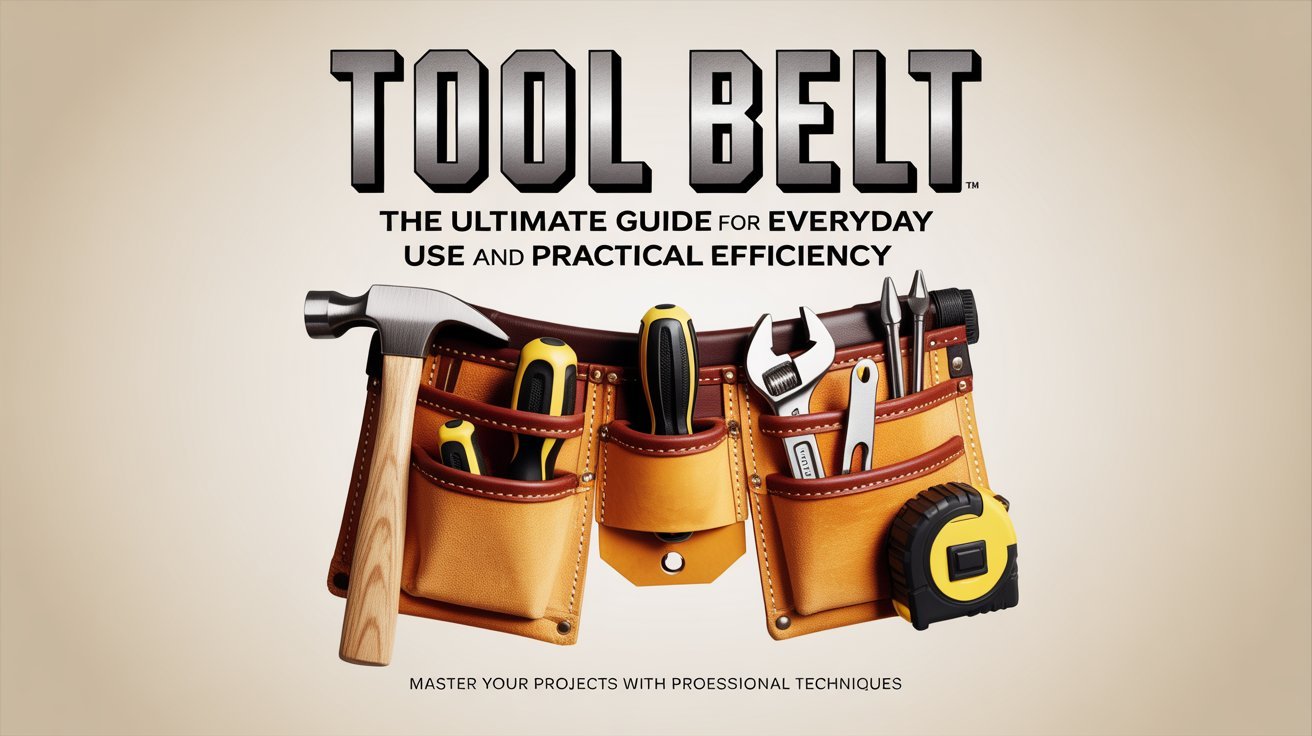
Not all tool belts are the same. Each type is designed for specific needs.
Basic Tool Belts
Simple designs with a few pockets. Ideal for light tasks and home use.
Professional Tool Belts
Heavy-duty belts with multiple compartments for carpenters, electricians, and builders.
Suspenders Tool Belts
Include shoulder straps for extra support, reducing strain on the waist.
Electrician Tool Belts
Designed with specialized pockets for wires, testers, and pliers.
Carpenter Tool Belts
Feature hammer loops, nail pouches, and measuring tape holders.
Materials Used in Tool Belts
The material of a tool belt affects its durability and comfort.
Leather
- Strong and long-lasting
- Ideal for heavy-duty use
- Becomes more comfortable over time
Nylon
- Lightweight and flexible
- Resistant to water
- Great for everyday tasks
Polyester
- Durable and affordable
- Easy to clean
- Good for beginners
Key Features to Look For
Choosing the right tool belt isn’t just about looks.
Important features include:
- Adjustable straps for a perfect fit
- Multiple pockets for better organization
- Reinforced stitching for durability
- Comfort padding to reduce strain
- Quick-release buckles for convenience
These features ensure both comfort and functionality.
How to Choose the Right Tool Belt
Picking the right tool belt can feel overwhelming. But it doesn’t have to be.
Ask yourself:
- What kind of work do I do?
- How many tools do I need to carry?
- Do I need extra support?
For light home tasks, a simple belt works fine. For professional use, go for a heavy-duty option with added support.
Benefits of Using a Tool Belt
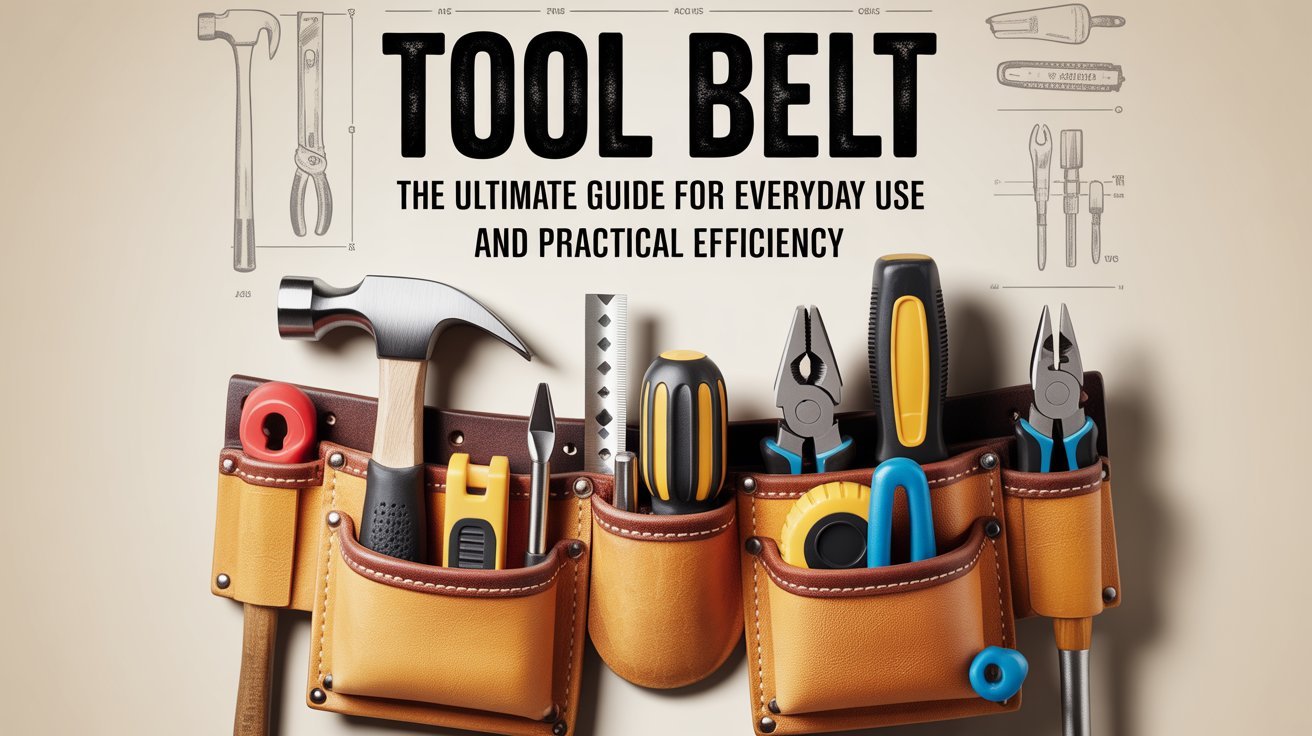
Using a tool belt offers more than just convenience.
Improved Efficiency
You spend less time searching for tools.
Better Organization
Everything has its place.
Reduced Fatigue
No constant bending or walking back and forth.
Enhanced Safety
Keeps tools secure and prevents accidents.
It’s like turning chaos into order in seconds.
Common Tools Carried in a Tool Belt
A tool belt is only as useful as what you put in it.
Typical items include:
- Hammer
- Screwdriver
- Measuring tape
- Nails and screws
- Pliers
- Utility knife
You can customize it based on your needs, making it a personal toolkit.
Tool Belt Safety Tips
While tool belts are helpful, using them incorrectly can cause problems.
Safety tips:
- Avoid overloading the belt
- Distribute weight evenly
- Adjust it properly to avoid slipping
- Keep sharp tools secured
Remember, comfort and safety go hand in hand.
Maintenance and Care
Taking care of your tool belt ensures it lasts longer.
Cleaning
Clean it frequently to keep dust and buildup from accumulating and affecting its performance.
Storage
Store it in a moisture-free environment to protect it from wear and potential damage.
Inspection
Check for wear and tear, especially on straps and stitching.
A little care goes a long way.
Tool Belt vs Tool Box
Which one is better?
Tool Belt
- Portable
- Hands-free
- Best for active tasks
Tool Box
- Holds more tools
- Better for storage
- Less convenient on the move
In simple terms, a tool belt is for action, while a toolbox is for storage.
Tool Belts for DIY vs Professionals
Not everyone needs the same type of tool belt.
DIY Users
- Lightweight belts
- Fewer pockets
- Budget-friendly
Professionals
- Heavy-duty belts
- Multiple compartments
- Advanced features
Choosing the right type depends on how often and how intensely you use it.
Common Mistakes to Avoid
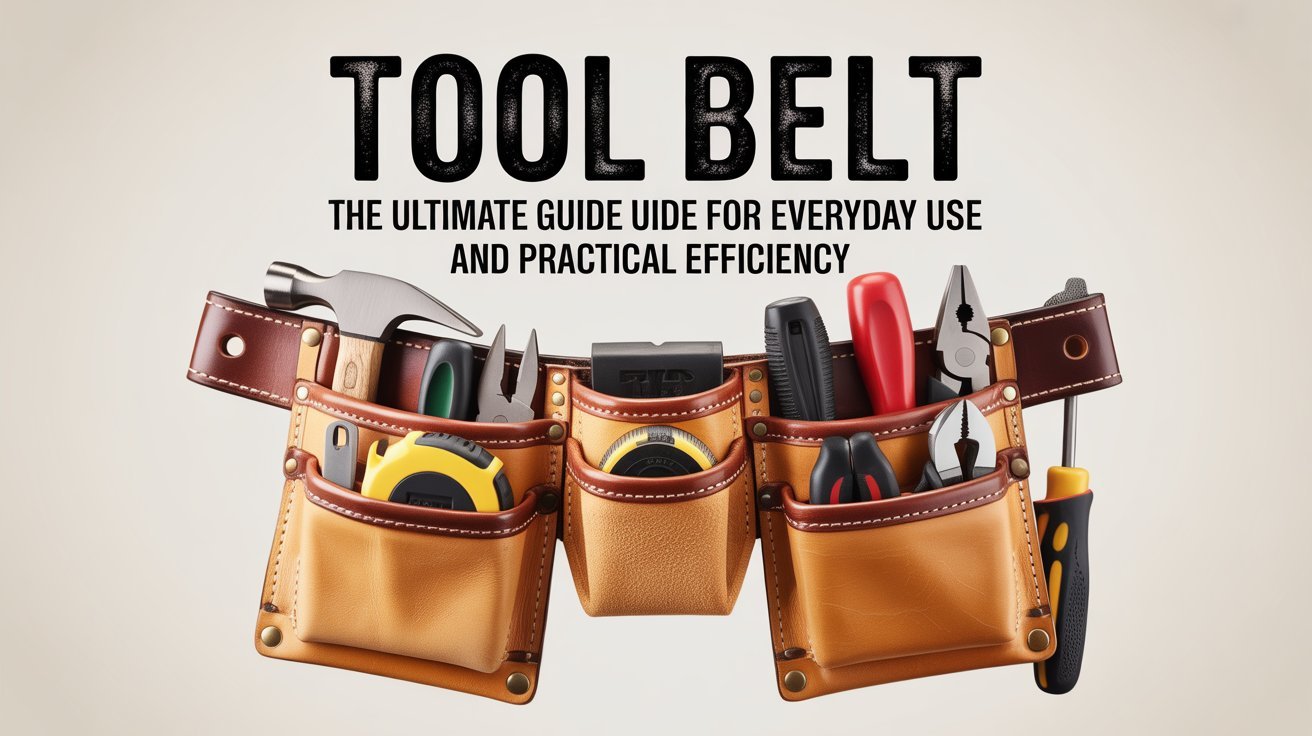
Even a good tool belt can be ineffective if used poorly.
Avoid these mistakes:
- Overloading with unnecessary tools
- Ignoring comfort and fit
- Choosing cheap materials
- Not organizing tools properly
A well-used tool belt is organized, balanced, and comfortable.
Future Trends in Tool Belts
Tool belts are evolving with modern needs.
Emerging trends include:
- Ergonomic designs
- Smart tool belts with tracking features
- Lightweight yet durable materials
- Customizable modular systems
The future is all about comfort, efficiency, and innovation.
FAQs
1. What is the main purpose of a tool belt?
A tool belt is designed to keep essential tools within easy reach, improving efficiency and reducing the need to move around frequently.
2. Which material is best for a tool belt?
Leather is best for durability, while nylon is ideal for lightweight and flexible use.
3. Can beginners use a tool belt?
Yes, beginners can use simple and lightweight tool belts for basic tasks and DIY projects.
4. How do I organize my tool belt effectively?
Place frequently used tools in easy-to-reach pockets and distribute weight evenly to maintain balance.
5. Is a tool belt better than a toolbox?
A tool belt is better for mobility and active work, while a toolbox is more suitable for storage and carrying larger tools.
Conclusion
A tool belt may seem like a simple accessory, but it plays a powerful role in making work easier and more efficient. Whether you’re a DIY enthusiast or a professional, having your tools within reach can save time, reduce stress, and improve your overall workflow.
It’s more than just a belt—it’s your mobile workstation. Once you start using one, you’ll wonder how you ever worked without it.


