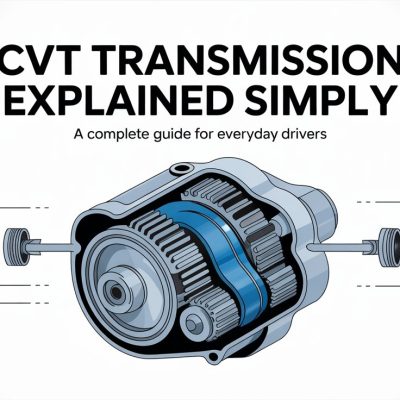




The 4L60E transmission is one of those automotive parts you might not think about—until it starts acting up. Ever wondered what really happens when you shift from park to drive? Or why some vehicles feel smooth for years while others struggle? Think of the 4L60E like the heart’s rhythm keeper in your vehicle. When it works well, everything feels natural. When it doesn’t, you notice immediately.
This guide breaks everything down in plain English. No confusing jargon. No overcomplication. Just clear, useful information you can actually use.
What Is the 4L60E Transmission?
At its core, the 4L60E transmission is an automatic gearbox designed by General Motors. It helps transfer power from the engine to the wheels while adjusting gears automatically. In simple terms, it makes sure your vehicle moves smoothly at different speeds without you having to shift gears manually.
Meaning Behind the Name
-
4 – Four forward gears
-
L – Longitudinal (rear-wheel drive layout)
-
60 – Torque rating
-
E – Electronically controlled
That final “E” is important. It means the transmission relies on electronic signals instead of just mechanical parts. Think of it like switching from a flip phone to a smartphone—same basic job, much smarter execution.
History and Evolution of the 4L60E
The story of the 4L60E didn’t start overnight. It evolved from older designs as vehicles became more advanced.
From 700R4 to 4L60E
Before the 4L60E, there was the 700R4, a purely mechanical transmission. In the early 1990s, GM introduced electronic controls, creating the 4L60E. This change improved shifting accuracy, fuel efficiency, and adaptability.
Over time, updates strengthened internal parts, improved reliability, and refined performance. According to historical references like Wikipedia’s GM transmission overview, the 4L60E became a staple in millions of vehicles worldwide.
How the 4L60E Transmission Works

So how does it actually work? Imagine riding a bicycle with automatic gears that adjust based on how fast you’re pedaling. The 4L60E does something similar using sensors and computers.
Electronic Controls Explained
Sensors monitor:
-
Vehicle speed
-
Engine load
-
Throttle position
This data is sent to the vehicle’s computer, which decides when to shift gears. The result? Smooth transitions that feel almost invisible when everything is working correctly.
Key Features and Specifications
The 4L60E transmission balances simplicity with smart design.
Gear Ratios and Design
| Gear | Ratio |
|---|---|
| 1st | 3.06:1 |
| 2nd | 1.63:1 |
| 3rd | 1.00:1 |
| 4th | 0.70:1 |
These ratios help with both quick starts and relaxed highway cruising. The overdrive gear keeps engine speed low, saving fuel and reducing wear.
Vehicles That Use the 4L60E Transmission
One reason this transmission is so well-known is how widely it’s used.
GM Cars and Trucks
You’ll commonly find the 4L60E in:
-
Chevrolet Silverado
-
GMC Sierra
-
Chevy Tahoe
-
Suburban
-
Camaro
-
Corvette (earlier models)
From family SUVs to performance cars, its versatility is impressive.
Performance and Driving Feel
What does it feel like on the road? For most drivers, the answer is simple: smooth and predictable.
Daily Driving vs Towing
-
Daily driving: Comfortable, easy shifts
-
Highway cruising: Quiet and efficient
-
Light towing: Capable, but not heavy-duty
It’s great for everyday use, but pushing it beyond its limits—like heavy towing—can shorten its lifespan.
Common Problems and Symptoms

No transmission is perfect, and the 4L60E transmission is no exception.
Warning Signs to Watch
-
Hard or delayed shifting
-
Slipping between gears
-
Shuddering at highway speeds
-
Check engine light
These issues often start small. Ignoring them is like ignoring a leaky roof—it only gets worse.
Maintenance and Care Tips
Want your transmission to last? Maintenance is key.
Fluid, Filters, and Habits
-
Change transmission fluid regularly
-
Replace filters as recommended
-
Avoid aggressive driving
-
Don’t overload your vehicle
Clean fluid is like clean blood—it keeps everything running smoothly.
Rebuild vs Replacement
When problems arise, drivers face a tough choice.
When to Rebuild
A rebuild makes sense if:
-
The case is still in good shape
-
Damage is internal and repairable
-
You want to save money
Replacement is better when damage is extensive or reliability is critical.
Upgrades and Improvements
Many owners choose to strengthen their 4L60E rather than replace it.
Performance Mods
Popular upgrades include:
-
Hardened input shafts
-
Improved torque converters
-
Shift kits
These changes can turn a mild transmission into a much tougher one.
Buying a Used 4L60E Transmission

Shopping for a used unit? Be cautious.
Red Flags
-
Burnt-smelling fluid
-
Unknown mileage
-
No warranty
Always ask questions. A good seller won’t mind.
Is the 4L60E Transmission Right for You?
For most drivers, yes. It’s reliable, widely supported, and affordable to repair. While it’s not built for extreme performance, it’s a solid choice for daily driving and light-duty use.
Frequently Asked Questions (FAQs)
Is the 4L60E transmission reliable?
Yes, with proper maintenance, it can last well over 150,000 miles.
How often should transmission fluid be changed?
Every 30,000–50,000 miles is a safe rule.
Can the 4L60E handle towing?
Light towing is fine, but heavy loads require upgrades.
What causes slipping in the 4L60E transmission?
Worn clutches, low fluid, or valve body issues are common causes.
Is rebuilding cheaper than replacing?
Usually, yes—if the core components are still usable.
Are parts easy to find?
Absolutely. Parts availability is one of its biggest advantages.
Conclusion
The 4L60E transmission remains popular for a reason. It’s dependable, adaptable, and well-understood by mechanics everywhere. Treat it right, and it’ll return the favor mile after mile. Like a trusted pair of shoes, it may not be flashy—but it gets you where you need to go.

Other Articles

LookMovies2: What People Search For, What to Know, and Safer Choices
Cheap Eats Near Me: How to Find Delicious Food on a Budget