




Rice is one of those foods that quietly sits at the center of daily life for millions of people. It’s humble, affordable, and incredibly versatile. Yet, cooking it just right can feel surprisingly tricky. Too dry, too sticky, too mushy—sound familiar? This is where dampfreis comes in. Dampfreis, or steamed rice, is a method that focuses on gentle heat and patience rather than rushing things. Think of it like letting bread rise slowly instead of forcing it—better texture, better results. In this guide, we’ll walk through everything you need to know about dampfreis in a clear, friendly way.
What Is Dampfreis?
Dampfreis simply refers to rice that is cooked using steam instead of being fully submerged in water. The grains absorb moisture gradually as hot steam surrounds them. This slow process helps the rice cook evenly, keeping each grain intact. If you’ve ever wanted rice that looks neat and tastes clean, this method might surprise you.
The Origin and Meaning of Dampfreis
The word dampfreis comes from German, where “dampf” means steam and “reis” means rice. While the term itself is German, the idea behind it is global. Many cultures have relied on steaming rice long before modern kitchens existed. It’s not new—it’s just often overlooked.
How Dampfreis Differs from Boiled Rice
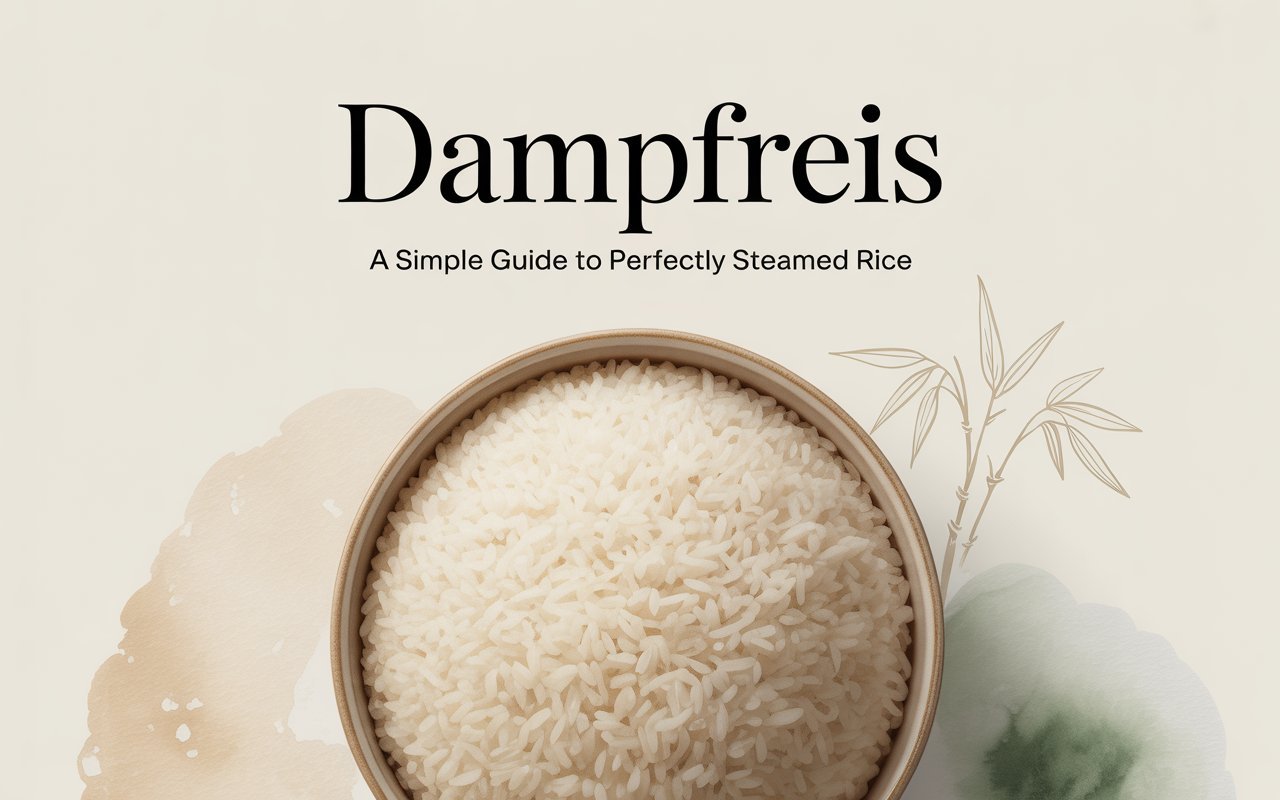
When rice is boiled, it sits in excess water. That water can wash away surface starch unevenly or even strip some flavor. Steamed rice, on the other hand, cooks like a sponge in a warm mist. The grains stay separate, and the taste feels more natural. It’s the difference between soaking clothes in a tub and freshening them with steam.
Why Steaming Rice Makes a Difference
Steaming is gentle. There’s no aggressive bubbling, no constant stirring. The heat wraps around the grains evenly, allowing them to expand slowly. This helps prevent splitting and stickiness. If boiling rice feels like sprinting, dampfreis feels like a calm walk that gets you to the same place—only more comfortably.
Types of Rice Suitable for Dampfreis
Not all rice behaves the same way. Some varieties truly shine when steamed.
Best options include:
-
Long-grain rice – light and fluffy
-
Basmati – aromatic and elegant
-
Jasmine – soft with a gentle fragrance
-
Medium-grain rice – slightly tender but structured
Short-grain rice can work too, but it tends to be softer and more compact.
Basic Equipment Needed
You don’t need a fancy kitchen to make dampfreis.
Common tools include:
-
A steamer pot or basket
-
A tight-fitting lid
-
A heat-safe bowl or tray
-
A stove or electric steamer
If you’ve got a pot and patience, you’re already halfway there.
Step-by-Step Dampfreis Cooking Method
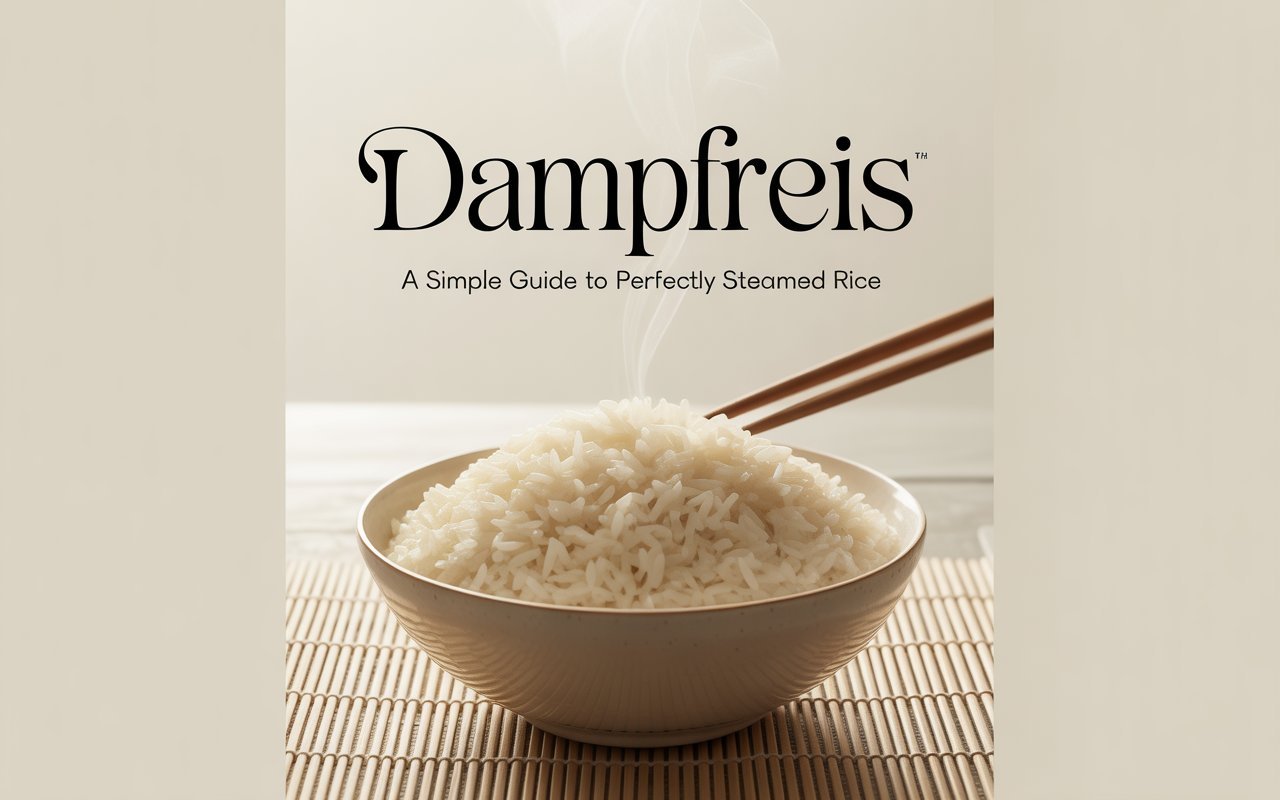
Here’s a simple way to prepare dampfreis:
Step 1: Rinse the rice until the water runs mostly clear.
Step 2: Soak the rice for 20–30 minutes, then drain.
Step 3: Bring water to a gentle boil in the steamer base.
Step 4: Place rice in the steamer basket or bowl.
Step 5: Cover tightly and let steam cook for 20–30 minutes.
Step 6: Fluff gently and rest before serving.
No rushing. Let the steam do the work.
Common Mistakes and How to Avoid Them
Even the most straightforward techniques can fall short when attention to detail is overlooked.
Mistakes to watch for:
-
Lifting the lid too often – steam escapes
-
Skipping soaking – uneven cooking
-
Overcrowding rice – blocks airflow
-
High heat – dries the grains
Think of it like baking a cake. Opening the oven too often never helps.
Taste, Texture, and Aroma Explained
Dampfreis has a clean, mild flavor that pairs well with almost anything. The texture is firm but tender, never soggy. Aromatic rice varieties release their scent slowly during steaming, filling the kitchen with a comforting smell. It’s subtle, not overpowering—like background music rather than noise.
Health and Nutrition Considerations
Steaming rice helps preserve its natural structure. There’s less chance of nutrients leaching into water that gets discarded. For people who prefer lighter meals, steamed rice also feels easier on digestion. While it’s not a miracle food, it’s a thoughtful way to prepare a staple.
Cultural Uses of Steamed Rice
Across the world, steamed rice appears in daily meals:
-
In Asia, it’s a base for vegetables and sauces
-
In Europe, it’s often paired with slow-cooked dishes
-
In household kitchens, it’s comfort food
Different cultures, same appreciation for simplicity.
Tips to Improve Your Dampfreis Every Time
Want better results consistently?
Helpful tips:
-
Use even heat
-
Allow resting time after steaming
-
Fluff with a fork, not a spoon
-
Measure portions to avoid overcrowding
Small adjustments make big improvements.
Storing and Reheating Steamed Rice
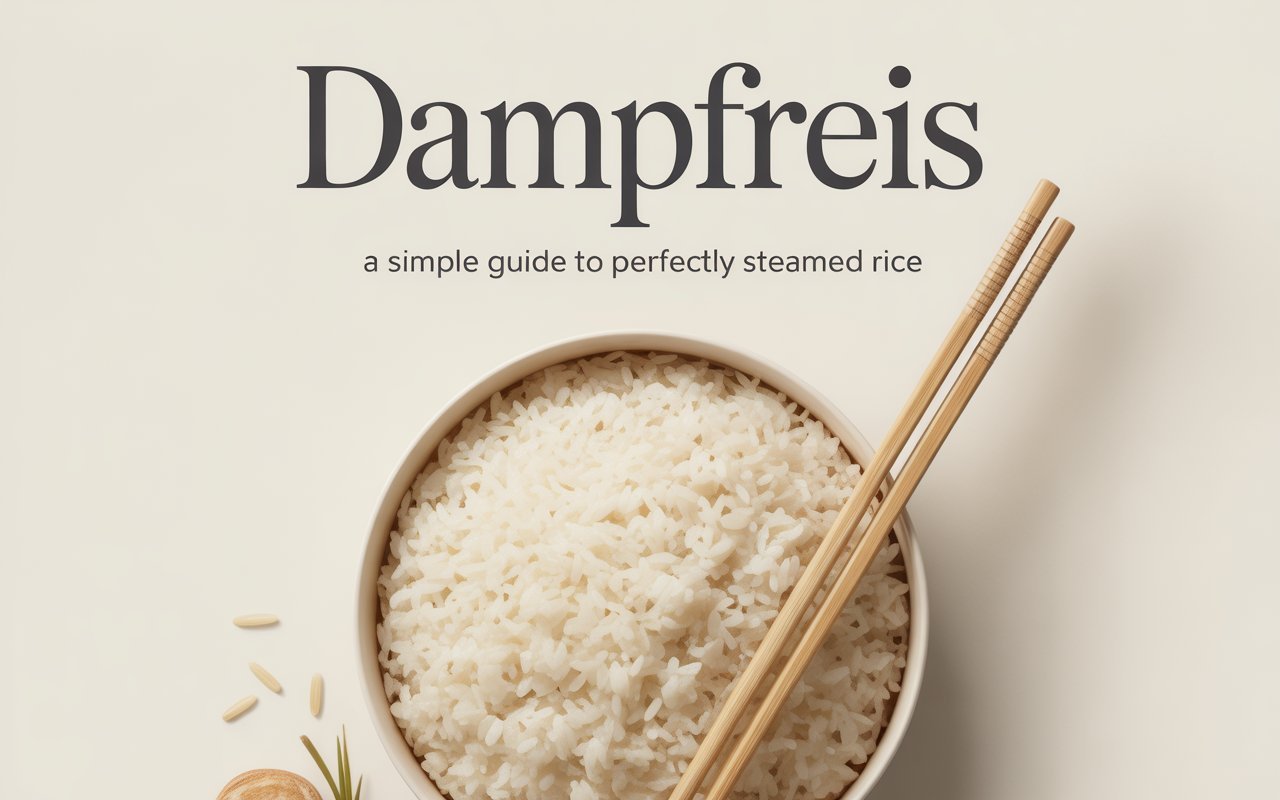
Leftover dampfreis stores well.
Storage tips:
-
Cool quickly before refrigerating
-
Store in airtight containers
-
Reheat gently with steam or a damp cover
Avoid drying it out by reheating too aggressively.
Dampfreis in Everyday Meals
Steamed rice fits into almost any dish. Serve it with vegetables, stews, or grilled items. It doesn’t fight for attention—it supports the meal. That’s its quiet strength.
FAQs
1. Is dampfreis the same as regular steamed rice?
Yes, dampfreis simply refers to rice cooked using steam, focusing on gentle heat and even cooking.
2. Do I need special equipment to make dampfreis?
No, a basic pot with a steaming setup is enough for good results.
3. Does steamed rice taste different from boiled rice?
It often tastes cleaner and feels less watery, with better grain separation.
4. Can dampfreis be made in large quantities?
Yes, as long as steam can circulate evenly around the rice.
5. Is dampfreis suitable for daily meals?
Absolutely. It’s simple, versatile, and fits easily into everyday cooking.
Final Thoughts on Dampfreis
Dampfreis proves that good food doesn’t need to be complicated. By slowing down and using steam, you let rice become what it’s meant to be—simple, satisfying, and reliable. Once you try it, boiling rice may start to feel like the noisy shortcut it really is.

Other Articles

FACW: A Complete, Easy-to-Understand Guide for Everyone
Dynasty Scans: A Complete Guide for Curious Readers


