




Introduction
Have you ever wondered what makes Pad Thai so irresistibly delicious? It’s not just the noodles, the shrimp, or the crunchy peanuts — it’s the Pad Thai sauce. This magical blend of sweet, sour, and salty flavors transforms a simple stir-fry into Thailand’s most iconic dish.
Think of it like the “soul” of Pad Thai — the secret that brings everything to life. Whether you’re a first-time home cook or a Thai food lover aiming for restaurant perfection, learning how to make authentic Pad Thai sauce is your golden ticket.
In this guide, we’ll dive deep into everything you need to know — from the traditional ingredients and variations to pro tips that will make your dish unforgettable.
What Is Pad Thai Sauce?
Pad Thai sauce is the flavorful base that defines the dish. It’s a balanced blend of sweetness, sourness, and saltiness — typically made using tamarind paste, fish sauce, and palm sugar.
When mixed with stir-fried noodles, tofu, eggs, and vegetables, the sauce creates a symphony of taste that’s both comforting and exciting. Imagine it like a musical conductor — harmonizing every ingredient perfectly.
The History and Origin of Pad Thai
Pad Thai isn’t just food; it’s a story. The dish was introduced during the 1930s as part of Thailand’s national identity campaign. The government encouraged citizens to eat more noodles, promoting it as a symbol of unity and cultural pride.
Originally, Pad Thai was made with rice noodles, tamarind sauce, dried shrimp, and tofu — ingredients that reflected Thailand’s trade influences and local produce. Over time, it evolved, but the sauce remained the heart of the recipe.
Key Ingredients That Define Authentic Flavor
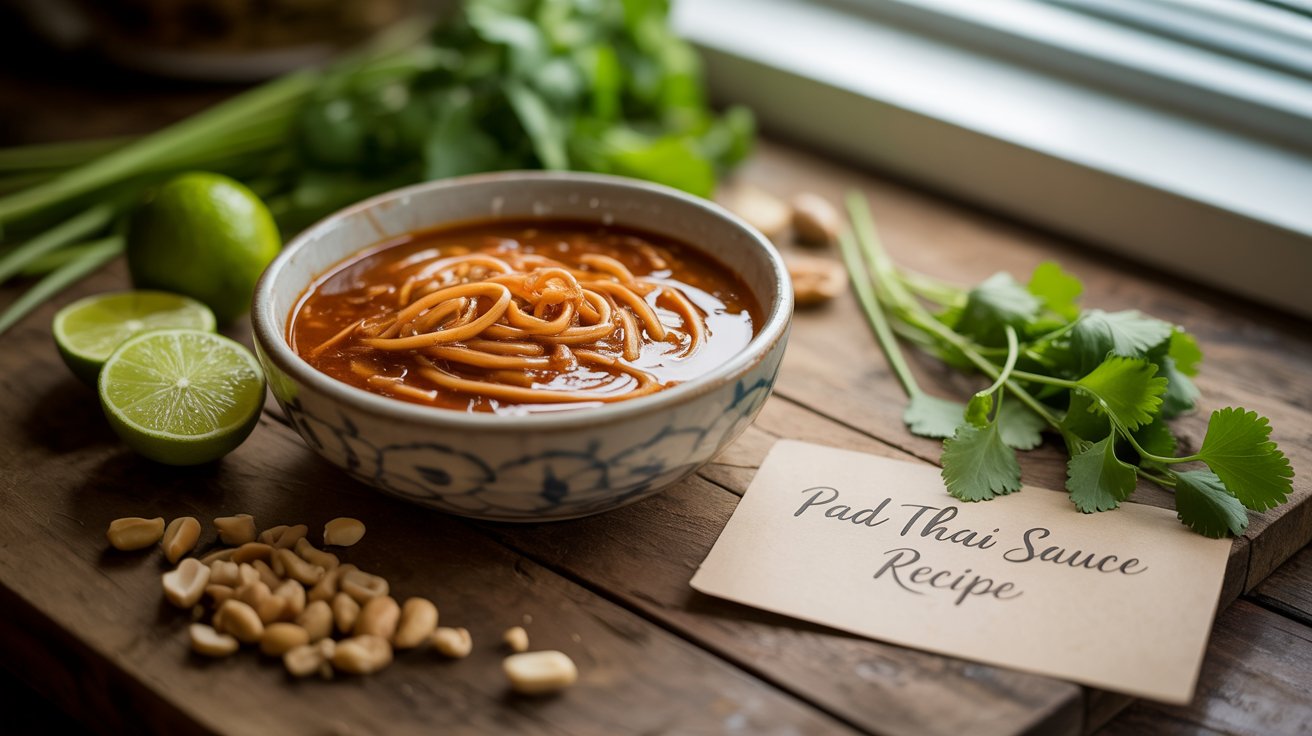
Let’s explore what makes the sauce so iconic:
Tamarind Paste
This adds the signature tangy flavor. It’s made from tamarind fruit pulp soaked in warm water and strained to create a thick, rich liquid.
Fish Sauce
Adds that deep, umami flavor. It’s salty, savory, and absolutely essential for authenticity.
Palm Sugar
Balances out the tang and salt with gentle sweetness. If you can’t find it, brown sugar works as a substitute.
Lime Juice
A fresh squeeze of lime lifts the entire dish, adding brightness and acidity.
Chili Flakes (optional)
For those who love a bit of heat, this adds a spicy kick without overpowering the dish.
Step-by-Step: How to Make Pad Thai Sauce
Here’s how you can prepare the sauce in under 10 minutes:
Ingredients:
-
3 tbsp tamarind paste
-
3 tbsp fish sauce
-
3 tbsp palm sugar (or brown sugar)
-
1 tbsp rice vinegar
-
1 tsp soy sauce
-
½ tsp chili flakes (optional)
Instructions:
-
Combine ingredients: In a small saucepan, mix tamarind paste, fish sauce, sugar, and rice vinegar.
-
Heat gently: Warm over low heat until the sugar dissolves completely.
-
Taste and adjust: Add more tamarind for tang, or sugar for sweetness.
-
Cool and store: Let it cool before using or storing in an airtight container.
That’s it — your homemade Pad Thai sauce is ready!
Balancing Flavors: The Art of Sweet, Sour & Salty
Making Pad Thai sauce is all about balance. Imagine walking a tightrope — too much tamarind makes it overly sour, while too much sugar turns it cloying.
A simple rule of thumb:
-
Sweet = Palm sugar
-
Sour = Tamarind paste
-
Salty = Fish sauce
When these three are in harmony, the result is a sauce that coats every noodle beautifully and leaves you craving more.
Ingredient Substitutions for Every Kitchen
Can’t find tamarind paste or palm sugar? No problem!
-
Tamarind paste substitute: Use a mix of lime juice and rice vinegar.
-
Palm sugar substitute: Brown sugar or coconut sugar works great.
-
Fish sauce substitute: Soy sauce or vegan “fish” sauce for vegetarians.
These swaps don’t change the essence much — they just make it easier for you to cook Pad Thai anywhere in the world.
How to Store Pad Thai Sauce
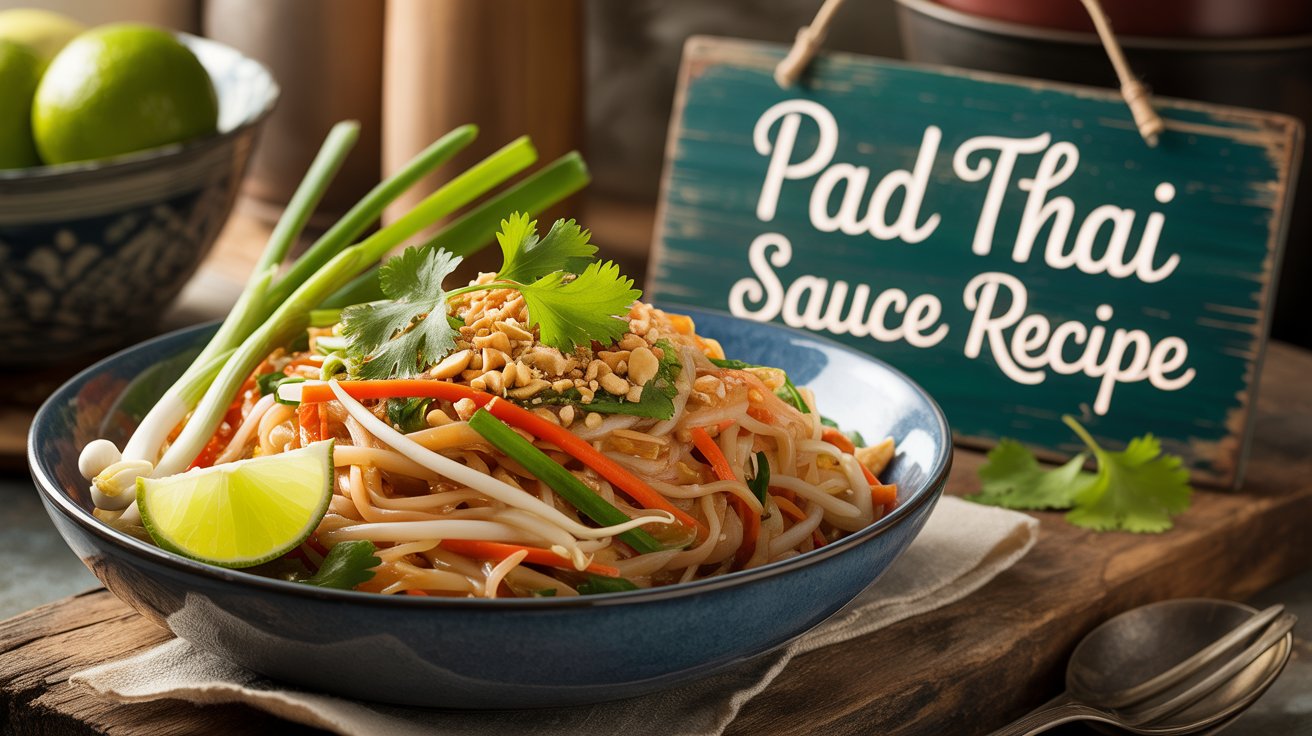
You can easily make it ahead of time!
-
Keep it sealed in an airtight container and refrigerate for up to two weeks to maintain its fresh, rich flavor.
-
For longer storage, freeze it in an ice cube tray — perfect for portioning.
Just thaw and use whenever you crave Thai noodles!
How to Use Pad Thai Sauce in Other Dishes
This sauce isn’t just for noodles! You can use it in:
-
Stir-fried rice
-
Grilled chicken marinades
-
Vegetable stir-fries
-
Glazed tofu dishes
Think of it as your Thai version of a “secret weapon” sauce that adds depth to almost anything.
Tips for Cooking the Perfect Pad Thai
-
Cook fast: Pad Thai is all about high heat and quick tossing.
-
Use fresh ingredients: Crisp bean sprouts and scallions make all the difference.
-
Add sauce gradually: Too much at once can make noodles soggy.
Pro tip: Always taste as you go. Thai cooking is about adjusting flavors to your liking.
Common Mistakes to Avoid
-
Overcooking noodles: They should be tender but not mushy.
-
Skipping tamarind: Lemon juice alone can’t replicate the flavor.
-
Using too much sauce: Balance is key.
-
Cooking too long after adding sauce: The noodles will absorb too much liquid.
Creative Variations You’ll Love
-
Vegan Pad Thai: Replace fish sauce with soy sauce and add tofu.
-
Spicy Pad Thai: Add chili paste for extra heat.
-
Peanut Pad Thai: Mix peanut butter into the sauce for a nutty twist.
-
Seafood Pad Thai: Add shrimp, squid, or scallops for a rich flavor boost.
Healthier Versions of Pad Thai Sauce
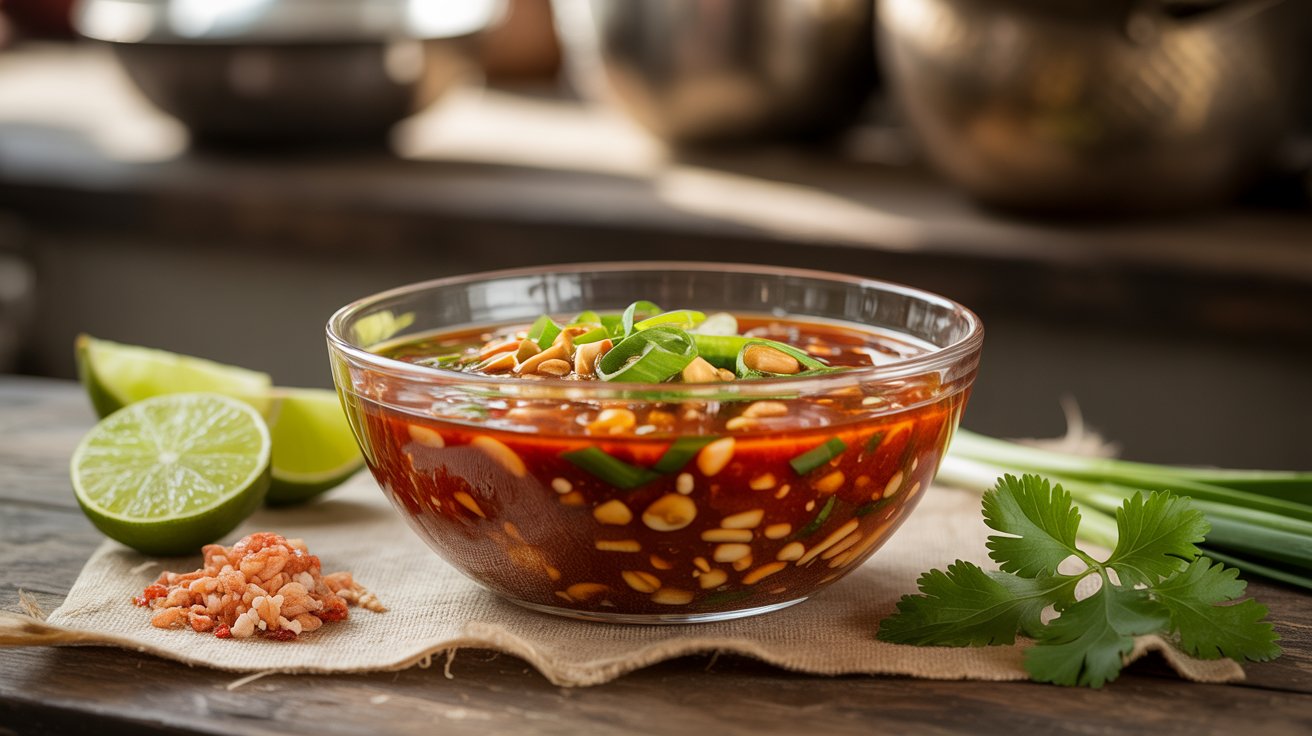
If you’re watching your sugar or sodium intake, here’s how to lighten it up:
-
Use less fish sauce and low-sodium soy sauce.
-
Swap palm sugar with honey or maple syrup.
-
Add more lime juice for freshness without extra calories.
This keeps the flavor authentic while making it guilt-free.
Serving and Garnishing Ideas
Presentation matters!
-
Serve with lime wedges for a burst of freshness.
-
Sprinkle crushed peanuts and chili flakes on top.
-
Add fresh cilantro for color and aroma.
It’s like dressing your dish for a dinner party — those final touches make it shine.
FAQs
1. Can I make Pad Thai sauce without fish sauce?
Yes! Use soy sauce or vegan fish sauce as a plant-based alternative. It still provides that savory umami flavor.
2. How do I make my Pad Thai sauce thicker?
Simmer it longer over low heat to reduce moisture. You can also add a touch of cornstarch slurry for a thicker consistency.
3. Can I use lemon juice instead of tamarind paste?
You can, but the flavor won’t be as deep. Mix lemon juice with a bit of rice vinegar to get closer to the original tang.
4. How long does Pad Thai sauce last in the fridge?
It stays fresh for up to 2 weeks if stored in an airtight container. Always check the aroma before using.
5. What’s the secret to making restaurant-style Pad Thai at home?
High heat, quick cooking, and fresh ingredients — plus a perfectly balanced homemade sauce.
Conclusion
Making Pad Thai sauce at home is easier than you think — and the reward is worth every stir. Once you master this balance of sweet, sour, and salty, you’ll unlock the authentic taste of Thailand right in your kitchen.
So next time you crave a comforting, flavorful dish, remember: the secret isn’t in the noodles — it’s in the sauce.

Other Articles

Instant Pot Short Ribs: A Flavor-Packed Comfort Meal Made Simple