




Stockholm, Sweden’s capital, is often painted as a postcard-perfect city, with its cobblestone streets, pastel buildings, and a skyline dotted with spires. But what’s it really like to be a Stockholm resident? Is it all cinnamon buns, quiet metros, and cozy winters? Or is there more beneath the surface?
In this in-depth exploration, we’ll walk through the life of someone who calls this Nordic capital home — not just from the outside looking in, but from the perspective of daily routines, local customs, housing, family life, and even how people spend their leisure time. Whether you’re curious about moving to Stockholm or simply intrigued by how others live across the globe, this article will take you there.
A City on Water: The Unique Geography of Stockholm
It’s impossible to talk about Stockholm without first mentioning its incredible geography. Cradled across 14 islands and laced together by more than 50 bridges, Stockholm doesn’t merely exist beside the water — it flows with it, breathes with it, and thrives within it.
The presence of the Baltic Sea and Lake Mälaren gives the city a crisp, clean feeling, and it’s no wonder locals are so tied to nature.
As a resident, you don’t just see water — you interact with it. Kayaking after work, ferrying to the archipelago for the weekend, or simply walking along the shoreline is part of life here. It’s like the city was designed to make sure you slow down and breathe.
A Day in the Life of a Stockholm Local
Ever wonder what an average weekday might look like for someone living in Stockholm? Let’s imagine.
Mornings typically start early, with most people commuting via bike, foot, or the ultra-efficient Tunnelbana (Stockholm’s subway). Offices usually kick off by 8 or 9 AM, and it’s not unusual for workplaces to prioritize flexibility and work-life balance.
Lunch? Often simple — a salad or warm meal, maybe eaten in one of the countless cafes lining the city streets. Come 5 PM, the workday ends, and people head to the gym, park, or home to relax. It’s a rhythm that feels both productive and unhurried.
Housing in Stockholm: Home is Where the View Is
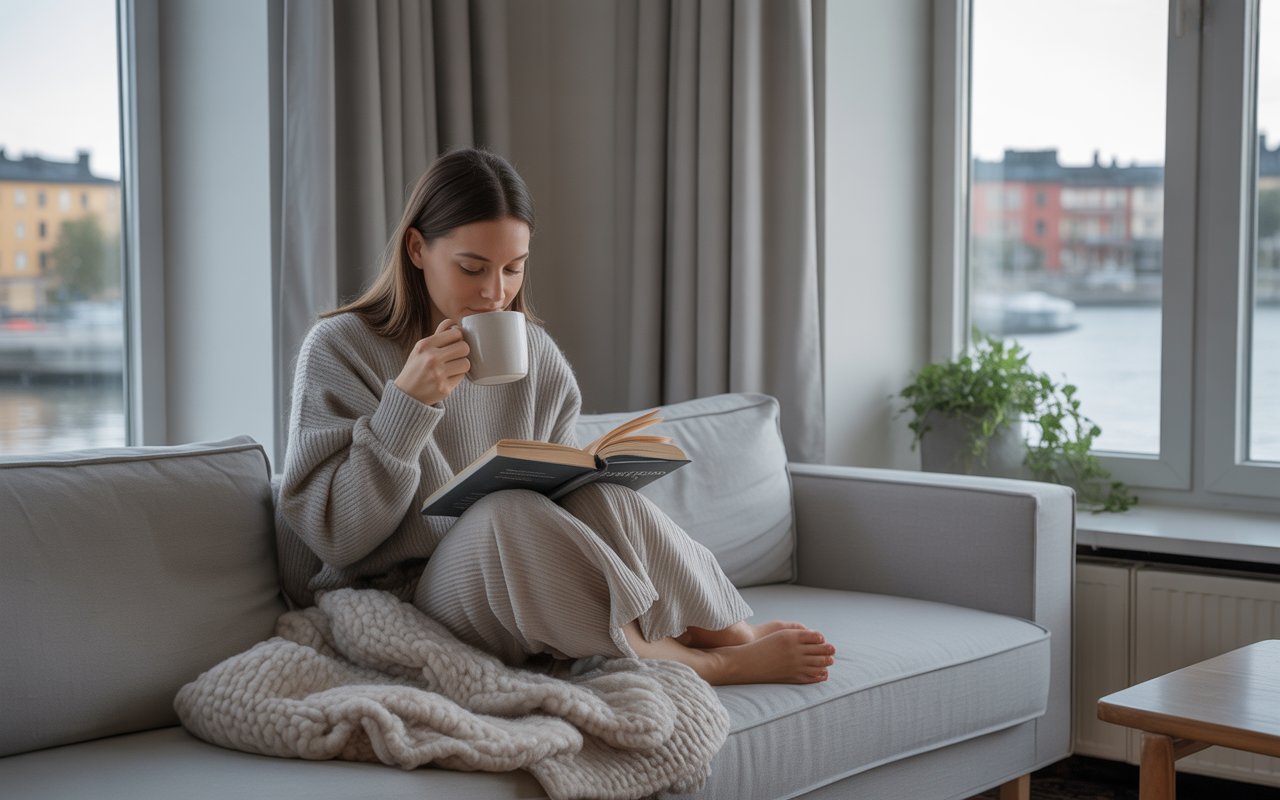
Finding a home in Stockholm is a journey of its own. Renowned for its competitive housing scene, Stockholm’s central districts are particularly challenging, where finding a home often feels like navigating a well-organized maze with high demand and limited options.
Many locals live in apartments — often beautifully designed but on the smaller side. Large windows, minimalism, and lots of natural light are common features.
You’ll also notice something interesting: most homes don’t have curtains. Privacy is respected, but there’s also a cultural openness to letting light in — literally and metaphorically.
For those with families, suburbs like Nacka or Solna offer larger homes with greenery, all still within easy reach of the city center.
Cost of Living: Expensive, but Manageable
Yes, Stockholm can be expensive — groceries, eating out, and rent are notably higher than in many other European cities. But residents often say it balances out with strong public services, such as subsidized healthcare, education, and generous parental leave policies.
It’s a bit like buying a high-end backpack. It may cost more upfront, but it’s designed to last and make your life easier in the long run.
The Unspoken Rules of Swedish Social Life
Living in Stockholm means adjusting to a unique social etiquette. Swedes are known for their deep respect for personal space and a natural inclination toward privacy, often preferring quiet connection over casual small talk.
Don’t be surprised if people don’t sit next to you on a half-empty bus — it’s not rude; it’s cultural.
But once you’re in someone’s circle? The warmth is real. Friendships here are deep and loyal. People might take longer to open up, but when they do, you’re often welcomed like family.
The Love for Fika: More Than Just Coffee
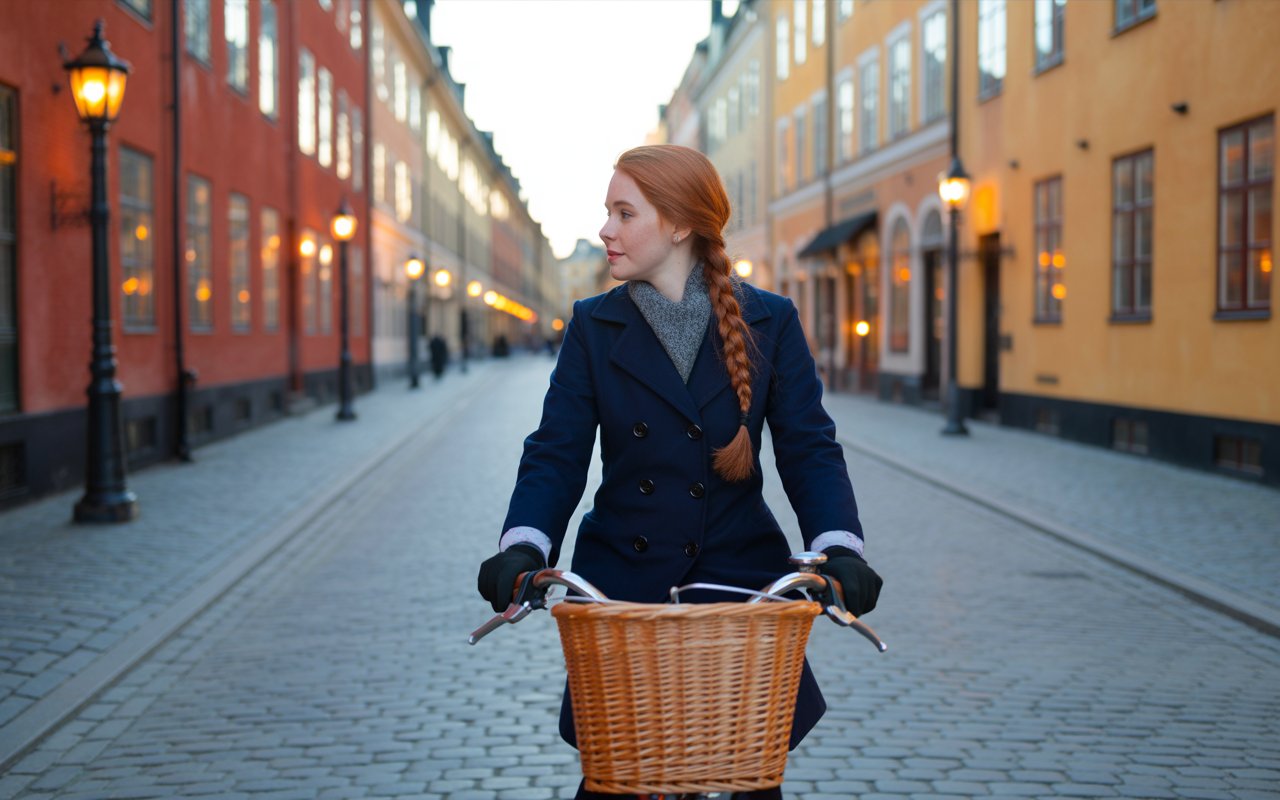
If there’s one word you’ll hear often in Stockholm, it’s fika. At first glance, it seems like just a coffee break. But in reality, it’s a cultural institution — a moment to pause, catch up with friends or colleagues, and enjoy a warm drink with a pastry (usually a kanelbulle, or cinnamon bun).
Imagine fika as Sweden’s version of a tea ceremony — informal but cherished. For residents, it’s a daily ritual that breaks up the day and adds a touch of joy.
Getting Around: Public Transit and the Rise of Biking
Stockholm’s public transportation is so efficient, many locals don’t own cars. The SL system covers metro, buses, trams, and even ferries. It’s clean, safe, and punctual.
For those who favor two wheels, Stockholm offers an extensive network of dedicated bike lanes, with local policies actively promoting cycling as a primary mode of transport.Many residents choose bikes over cars, even in winter, thanks to snow-cleared lanes and good gear.
Family Life in Stockholm: A Child-Friendly City
Families in Stockholm benefit from a system that’s designed with kids in mind. Parks are everywhere, stroller access is the norm, and parents enjoy 480 days of parental leave — often split between both parents.
Schools are high-quality and publicly funded, and many offer bilingual programs or international curriculums. There’s also a focus on outdoor learning, with kids playing outside daily — rain, snow, or shine.
Work Culture: The Pursuit of Lagom
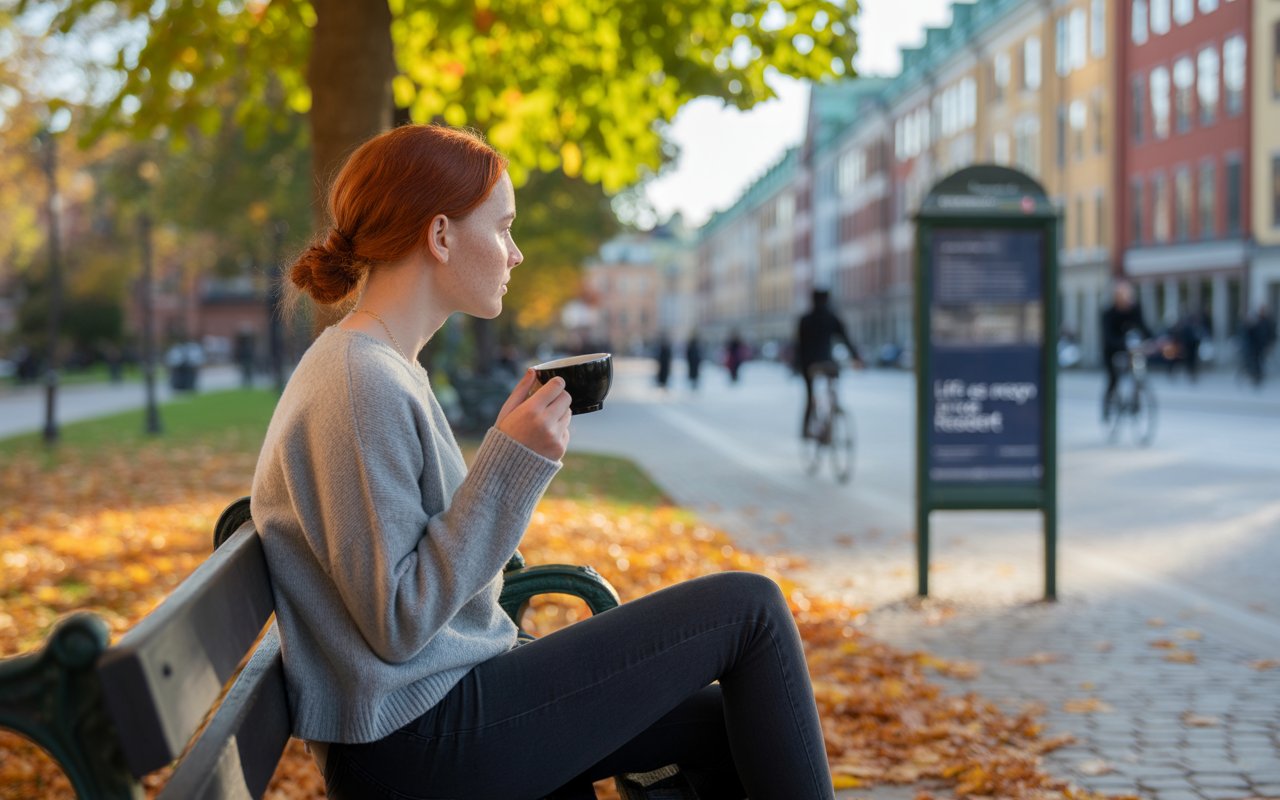
The Swedish concept of lagom — not too little, not too much — is at the heart of Stockholm’s work culture. Employees are encouraged to maintain a healthy balance between work and life. Overtime is rare, and meetings are efficient and to the point.
People take pride in their work but don’t let it define their entire identity. It’s a refreshing approach that might feel unfamiliar but quickly becomes addictive.
Seasons of Stockholm: Living Through the Light and the Dark
Stockholm residents experience drastic seasonal changes. In summer, daylight stretches past 10 PM, and the city becomes a sunlit playground. Locals swim, picnic, and flock to outdoor bars.
When winter casts its long shadows, reducing daylight to a mere six hours, residents brighten their days with warm traditions—think candlelit evenings, soothing saunas, and the joyful embrace of jul celebrations.
It’s a city of contrasts — and residents learn to lean into both extremes.
Leisure and Lifestyle: What Locals Do for Fun
Swedes are known for their love of the outdoors. In Stockholm, this means weekend hikes in Tyresta National Park, ice-skating in winter, or berry-picking in summer.
Culturally, the city offers museums, music festivals, art galleries, and a strong café culture. Thanks to Sweden’s cherished “allemansrätten” or the right to roam, everyone has the freedom to wander and enjoy the country’s natural landscapes nearly wherever they please.
Locals enjoy simple pleasures — a long walk, a good book, or time with loved ones. It’s not flashy, but it’s deeply satisfying.
Diversity and Inclusion: A City Evolving
Stockholm has become more diverse over the years, with immigrants and expats making up a growing portion of the population. Neighborhoods like Södermalm reflect this cultural blend — hipster cafes next to Middle Eastern grocers, Swedish design next to African cuisine.
While integration isn’t without its challenges, there’s a visible effort to create inclusive spaces and celebrate different backgrounds. From Pride parades to language exchange groups, the city is evolving with openness and curiosity.
What Locals Say: Voices from Stockholm
“I relocated from Italy a decade ago, and what truly stands out to me is the genuine respect people show one another here.”You might not get invited to every party, but once you’re in — you’re in.”
— Lucia, 34, graphic designer
“As a native, I sometimes forget how beautiful the city is. But every time I take the ferry through the islands, I fall in love all over again.”
— Anders, 51, teacher
“I appreciate how Stockholm lets you breathe. It’s not a race here. It’s more like a well-paced walk through life.”
— Fatima, 27, software developer
FAQs
1. Is Stockholm a good place to live for families?
Yes, it’s one of the most family-friendly cities in Europe, with excellent public services, parks, schools, and generous parental leave.
2. How do people cope with the long winters in Stockholm?
Locals embrace cozy traditions, spend time outdoors, and keep active through sports and hobbies. Lighting and warm interiors also help beat the winter blues.
3. Is it hard to make friends in Stockholm?
Initially, it can be challenging due to cultural privacy. Yet, once bonds are formed, friendships run deep and endure through time.
4. What’s the cost of living like in Stockholm?
It’s relatively high, especially for rent and eating out. However, strong public services like free healthcare and education help offset some of the expenses.
5. Do most residents speak English in Stockholm?
Yes, English is widely spoken, especially among younger generations. Still, learning Swedish can help deepen social and professional integration.
Conclusion: Living in Stockholm — A Balanced Blend of Nature, Culture, and Calm
Being a Stockholm resident is about more than just living in a beautiful city. It’s about embracing a lifestyle that values balance, sustainability, and quality of life. Sure, it has its quirks — the housing crunch, long winters, and quiet social norms — but it also offers safety, serenity, and soul.
In a world that often feels rushed and noisy, Stockholm stands as a gentle reminder: life doesn’t have to be loud to be meaningful.

Other Articles

Passport‑Based Systems: What They Are and Why They Matter